
Overview
Chemical Engineering is a core and multidisciplinary field that integrates chemistry, physics, mathematics, and biology. It focuses on the design, development, operation, and optimization of industrial processes. It is essential for the large-scale production of chemicals, fuels, materials, and consumer products. It involves the conversion of raw materials into valuable products in an efficient and economical manner.
Chemical engineers work in industries such as petroleum refining, petrochemicals, fertilizers, polymers, cement, and food processing. They are responsible for improving production efficiency, reducing costs, and increasing yield. They ensure product quality and consistency through proper monitoring and control. They maintain safety standards and help prevent industrial hazards and accidents. Chemical engineers are involved in the design of equipment such as reactors, heat exchangers, distillation columns, and separators. They develop process flow diagrams and plant layouts for industrial operations. They play a key role in scaling up processes from the laboratory level to industrial production.
Vision
To provide quality diploma education in Chemical Engineering for rural students and produce skilled professionals who contribute to process industries, environmental protection, and sustainable development.
Mission
- To impart strong fundamental knowledge in chemical engineering principles and processes
- To promote industry interaction through internships, industrial visits, and training programs.
- To enhance knowledge in modern chemical technologies and energy management.
- To encourage entrepreneurship and innovation among rural youth
Program Outcomes (POs)
- PO1: Basic and Discipline-specific knowledge: Apply knowledge of basic mathematics, science and engineering fundamentals and an engineering specialization to solve the engineering problems.
- PO2: Problem analysis: Identify and analyze well-defined engineering problems using codified standard methods.
- PO3: Design/ development of solutions: Design solutions for well-defined technical problems and assist with the design of systems components or processes to meet specified needs.
- PO4: Engineering Tools, Experimentation, and Testing: Apply modern engineering tools and appropriate technique to conduct standard tests and measurements.
- PO5: Engineering practices for society, sustainability and environment: Apply appropriate technology in the context of society, sustainability, environment and ethical practices.
- PO6: Project Management: Use engineering management principles individually, as a team member or as a leader to manage projects and effectively communicate about well-defined engineering activities.
- PO7: Life-long learning: Ability to analyze individual needs and engage in updating in the context of technological changes.
Faculty Profile
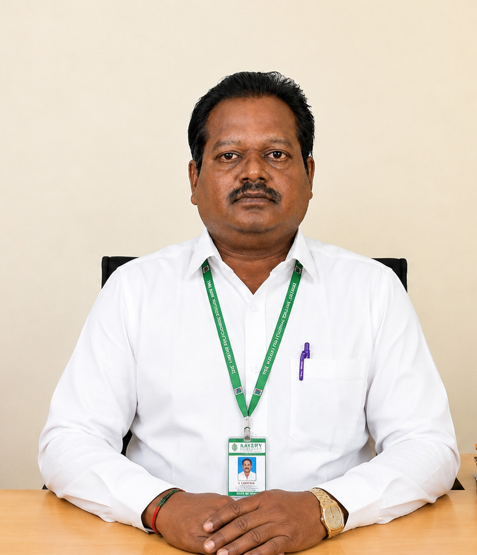


Technical Faculty Profile
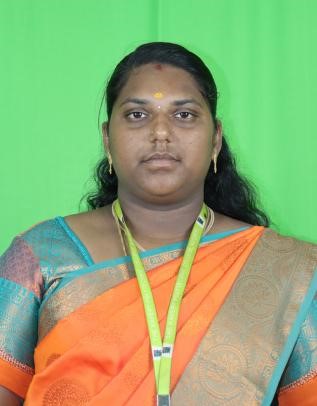
Lab Facilities
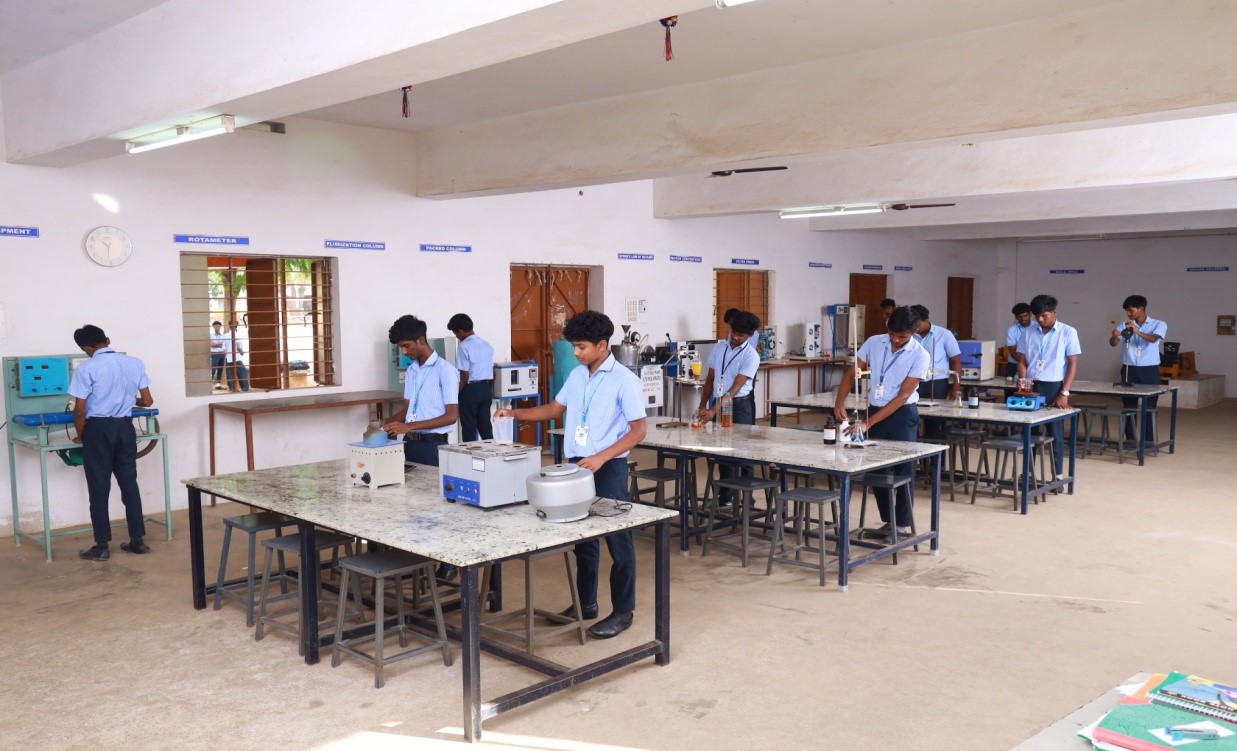
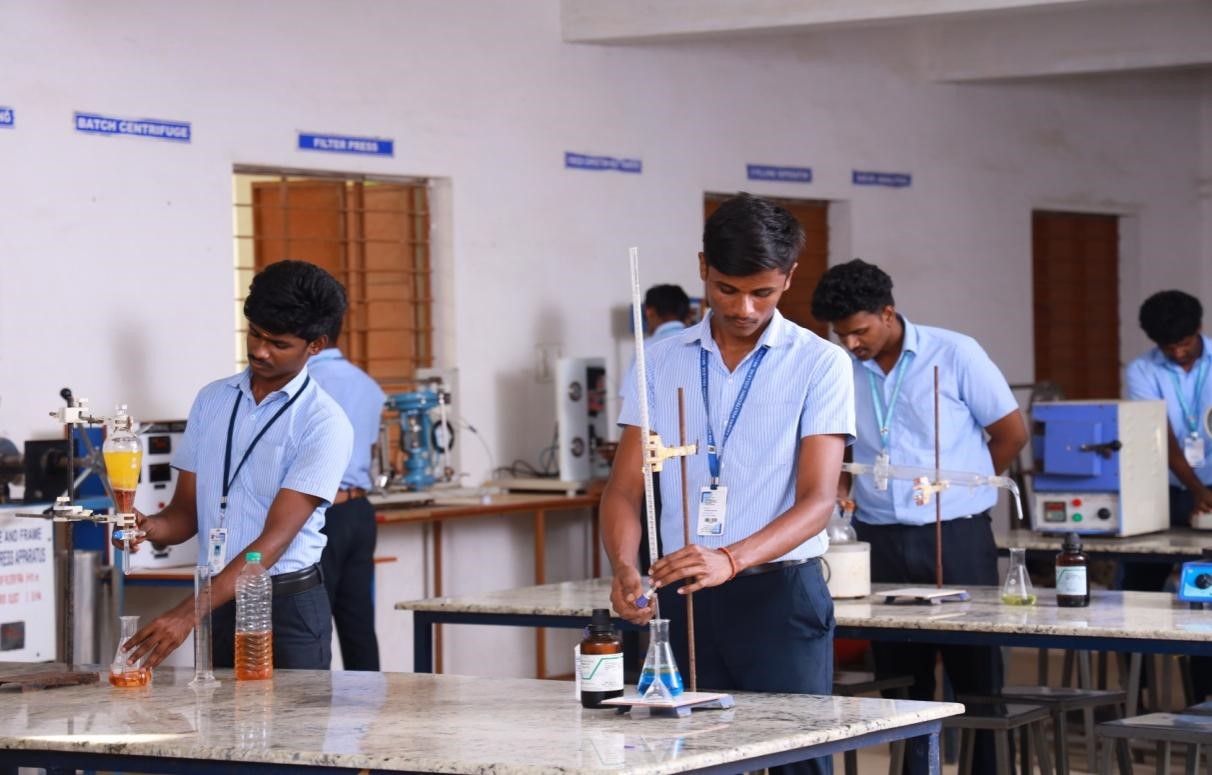
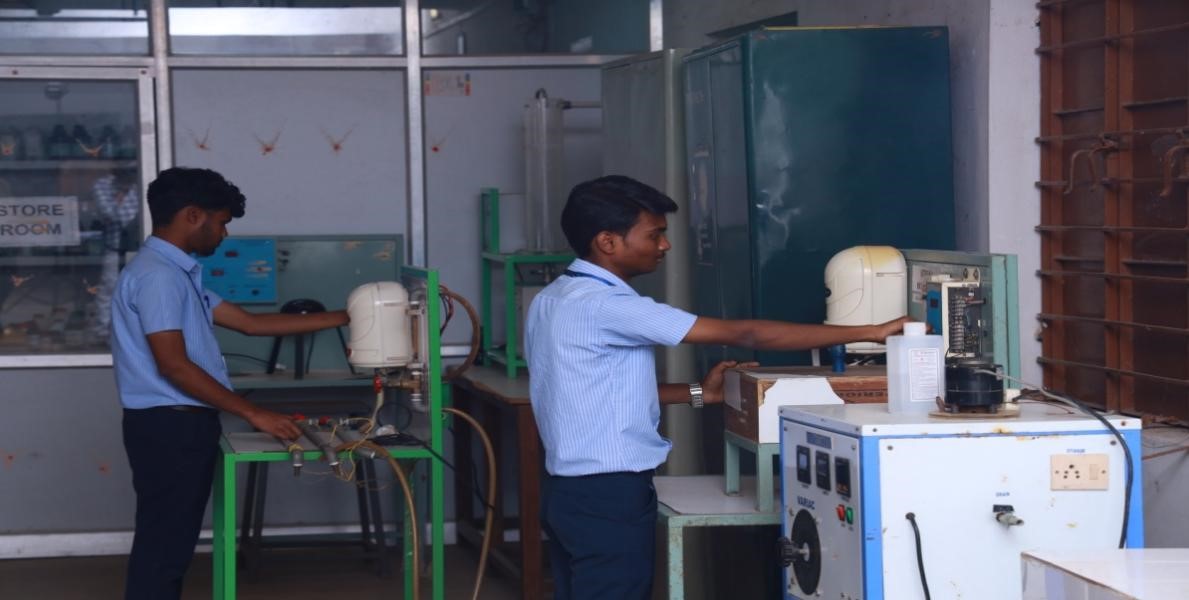
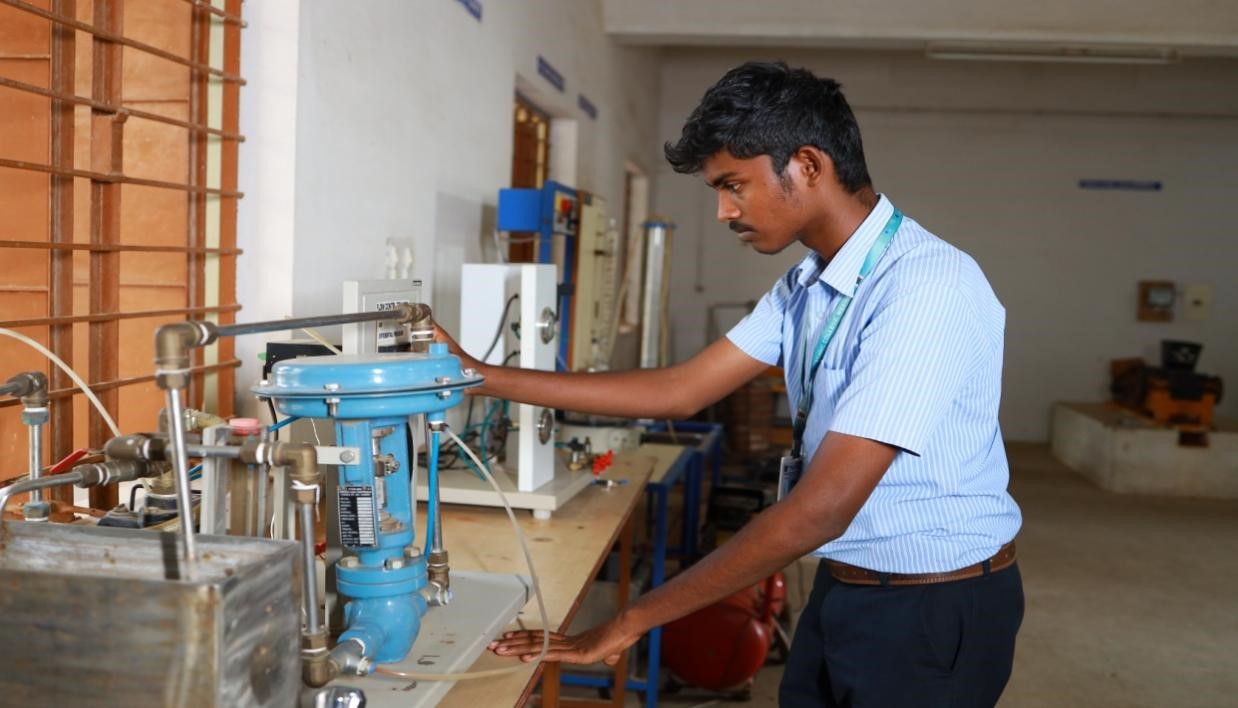
The Diploma in Chemical Engineering program provides well-equipped laboratory facilities to help students gain practical knowledge and hands-on experience in various chemical processes and operations. These laboratories are designed to support theoretical learning and develop essential technical skills required in industries.
Technical Analysis Laboratory: It is one of the fundamental labs where students perform experiments related to basic and applied chemistry. It includes equipment such as burettes, pipettes, pH meters, conductivity meters, and spectrophotometers to analyze chemical properties and reactions.
Momentum Transfer Laboratory: It helps students understand the behavior of fluids in motion and at rest. Experiments such as Reynolds number determination, flow measurement using venturimeter and orifice meter, and friction loss in pipes are conducted using specialized setups.
Heat Transfer Laboratory: It is used to study different modes of heat transfer like conduction, convection, and radiation. Equipment such as heat exchangers, thermal conductivity apparatus, and radiation setups are commonly available for experimental analysis.
Mass Transfer Laboratory: It focuses on separation processes such as distillation, absorption, extraction, and drying. Students work with distillation columns, packed towers, and drying units to understand industrial separation techniques.
Process Control and Instrumentation Laboratory: It is equipped with instruments like pressure gauges, temperature sensors, control valves, and PID controllers. This lab helps students learn about automation and control of industrial processes.
Mechanical Operations Laboratory: It includes equipment for size reduction, screening, filtration, and mixing processes. Common apparatus includes jaw crushers, ball mills, sieves, and filtration units.
NAME OF LAB: CHEMICAL ENGINEERING LABORATORY
VENUE: GF-19
Lab Utilization
Student Achievements
Board Examination (OCT - 2024) - Third Year (VI Sem)
| S.No | REG NO | Student Name | CGPA | Photo |
|---|---|---|---|---|
| 1 | 23601231 | KANMANI RAJA M | 9.3 |  |
| 2 | 23601227 | DIVAKAR K | 8.8 |  |
| 3 | 23601242 | VIJAY R | 8.2 |  |
Board Examination (APRIL - 2025) - Third Year (IV Sem)
| S.No | REG NO | Student Name | CGPA | Photo |
|---|---|---|---|---|
| 1 | 24601195 | TAMILSELVAN M | 9.6 |  |
| 2 | 24690509 | DINESHKUMAR A | 9.5 |  |
| 3 | 24601185 | DHANUSH S | 9.3 |  |
Board Examination (OCT - 2025)
Second Year (III Sem)
| S.No | REG NO | Student Name | CGPA | Photo |
|---|---|---|---|---|
| 1 | 25680660 | SABARISHWARAN P | 9.6 |  |
| 2 | 25601017 | NITHISHKUMAR G | 9.3 |  |
| 3 | 25601023 | SELVAGANPATHI S | 9.0 |  |
| 4 | 25601025 | THIRUMURUGAN S | 9.0 |  |
Third Year (V Sem)
| S.No | REG NO | Student Name | CGPA | Photo |
|---|---|---|---|---|
| 1 | 24690509 | DINESHKUMAR A | 9.9 | |
| 2 | 24601185 | SANJU K | 9.8 |  |
| 3 | 24601169 | KISHOR J | 9.6 |  |
| 4 | 24601195 | TAMILSELVAN M | 9.6 | |
Board Examination (APRIL - 2026)
Second Year (IV Sem)
| S.No | REG NO | Student Name | CGPA | Photo |
|---|---|---|---|---|
| 1 | 25680660 | SABARISHWARAN P | 9.6 | |
| 2 | 25601017 | NITHISHKUMAR G | 9.3 | |
| 3 | 25601023 | SELVAGANPATHI S | 9.0 |  |
Third Year (VI Sem)
| S.No | REG NO | Student Name | CGPA | Photo |
|---|---|---|---|---|
| 1 | 24601195 | TAMILSELVAN M | 10 | |
| 2 | 24690507 | BASKAR M | 9.3 |  |
| 3 | 24690509 | DINESH KUMAR A | 9.3 | |
| 4 | 24601175 | MANOJ T | 9 |  |
| 5 | 24601178 | POOVRASAN S | 9 |  |
| 6 | 24601185 | SANJU K | 9 | |
| 7 | 24601185 | DHANUSH S | 9 | |
| 8 | 24690513 | NANDHA KUMAR V | 9 |  |
Job Opportunities
Chemical Engineering offers excellent career opportunities across various industries. Here are some of the top sectors and employers:
- Chemical & Petrochemical Companies: Reliance Industries Limited (RIL), Tata Chemicals, Deepak Nitrite
- Pharmaceutical Companies: Cipla, Sun Pharmaceutical Industries, Aurobindo Pharma
- Water Treatment & Engineering: VA Tech Wabag, Thermax Limited
- Indian Oil Corporation Limited (IOCL)
- Bharat Petroleum Corporation Limited (BPCL)
- Hindustan Petroleum Corporation Limited (HPCL)
- Oil and Natural Gas Corporation (ONGC)
- Rashtriya Chemicals & Fertilizers (RCF)
- National Fertilizers Limited (NFL)
- Chennai Petroleum Corporation Limited (CPCL)
- Tamil Nadu News Paper's Limited (TNPL)
Job Roles
- Plant Operator
- Production Supervisor
- Lab Technician
- Quality Control Analyst
- Junior Engineering Assistant
- Technician
- Process Operator
Future Opportunities
- Increasing demand in green energy and sustainability sectors
- Growth in biotechnology and pharmaceutical industries
- Expansion in advanced materials and nanotechnology
- Opportunities in research, innovation, and digital process control
Industrial Visits
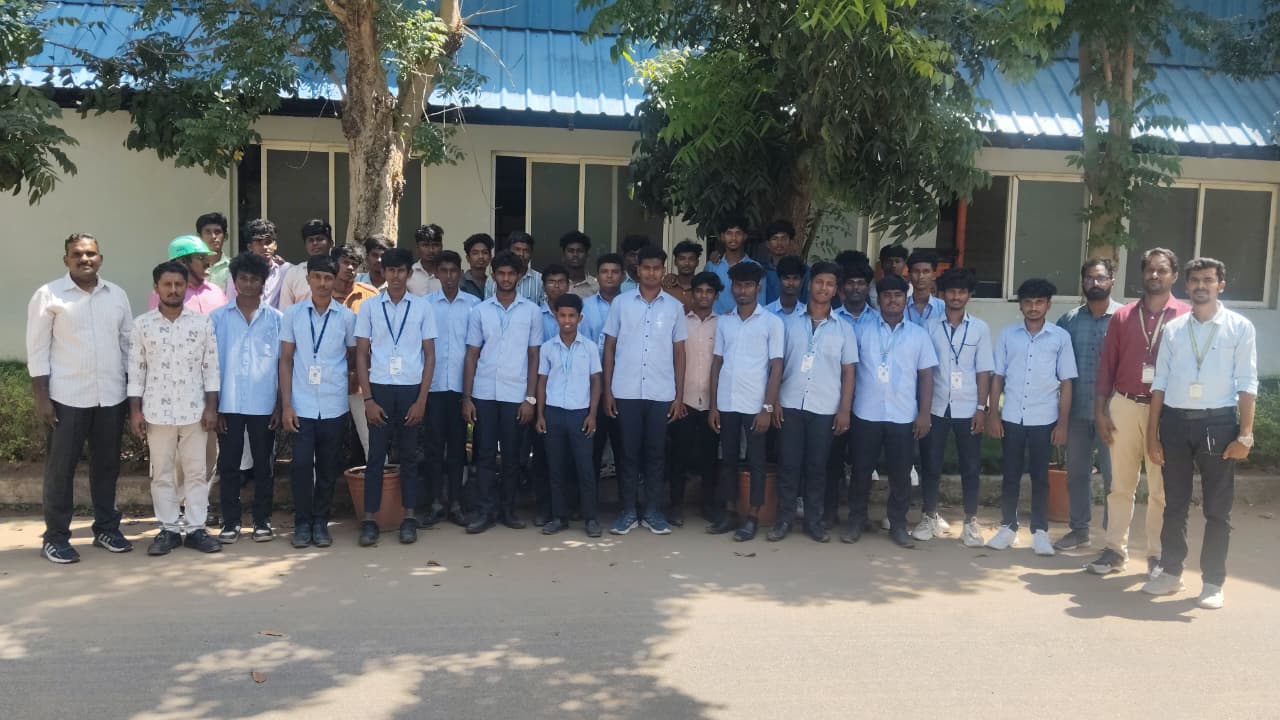
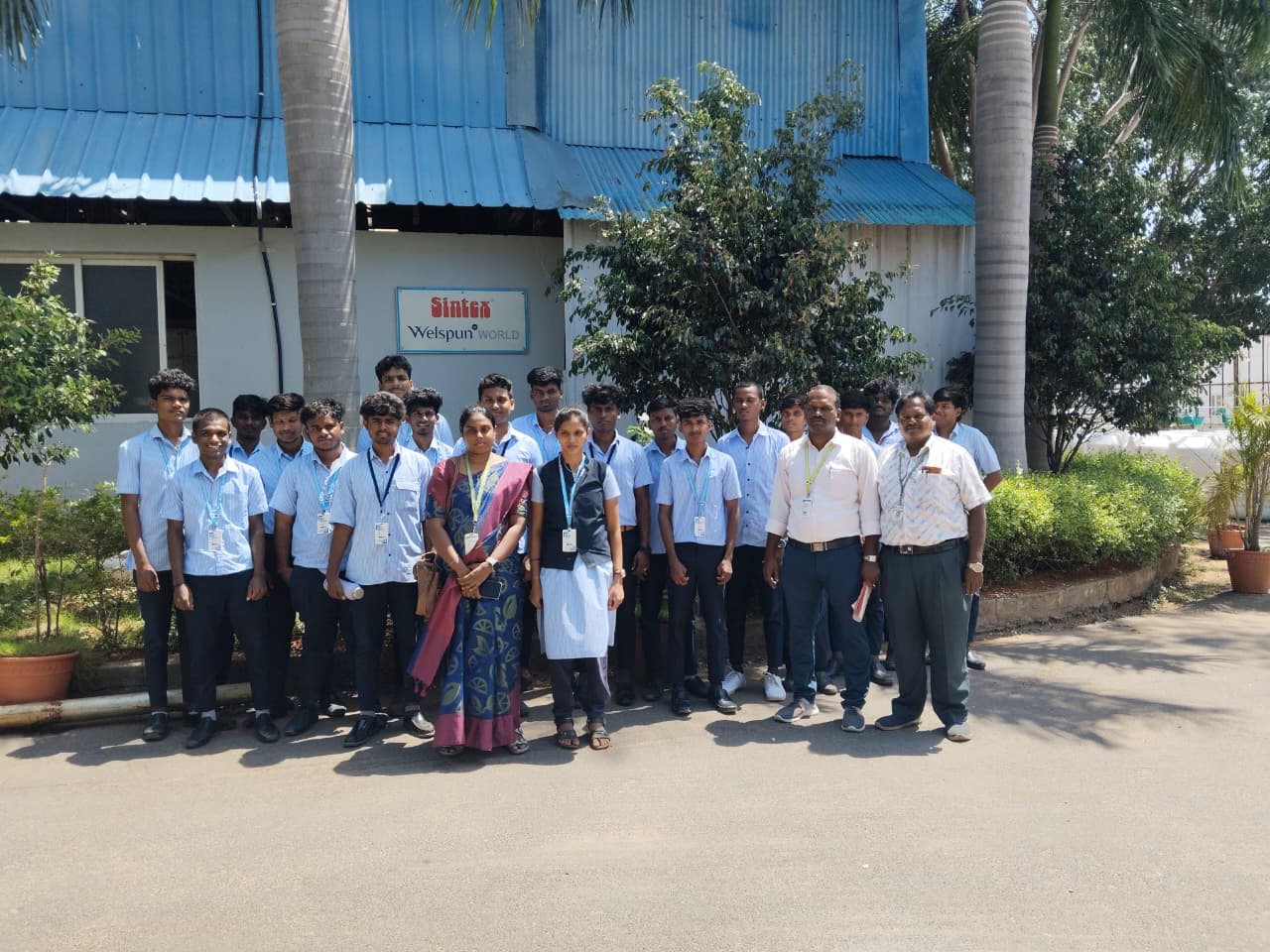
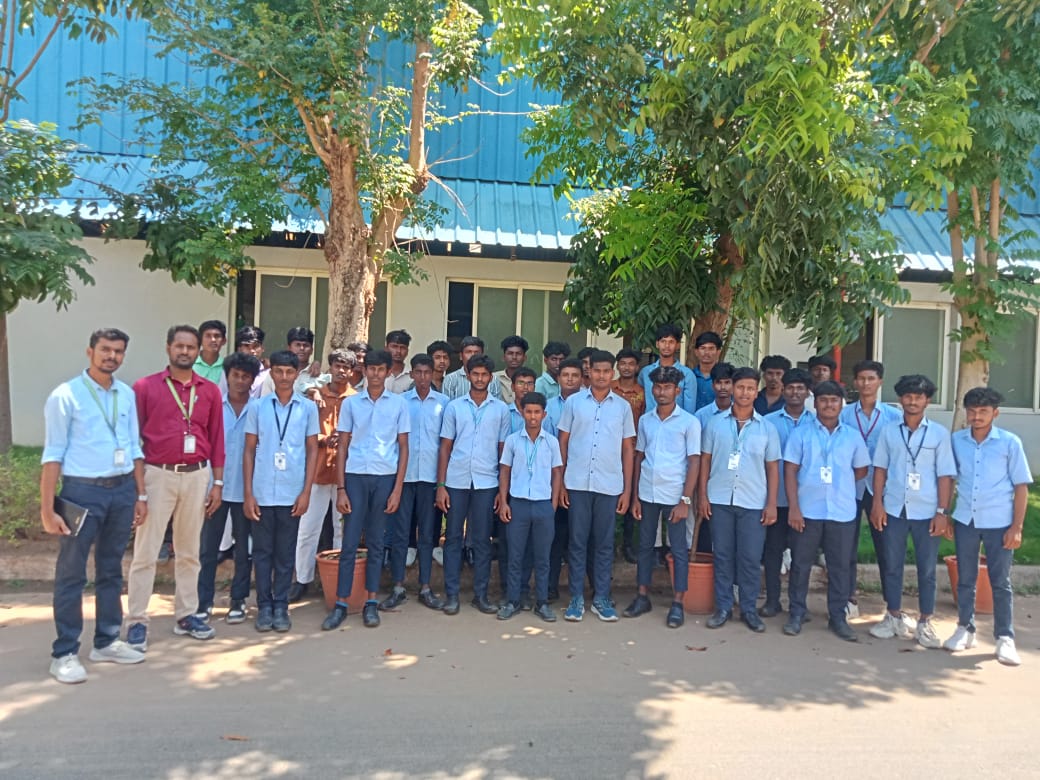
An Industrial Visit to SINTEX-BAPL Limited, Namakkal, was organized on 08.09.2026 for the students of the Civil Engineering, Chemical Engineering, and Fire & Safety Engineering Departments. The visit provided students with valuable practical exposure to the manufacturing process of water storage tanks, including raw material handling, moulding, processing, quality inspection, and finished-product handling. The students gained practical knowledge about modern manufacturing techniques, quality control, and industrial safety practices. The visit was an informative and enriching learning experience, enabling students to understand the practical applications of their academic knowledge in an industrial environment.
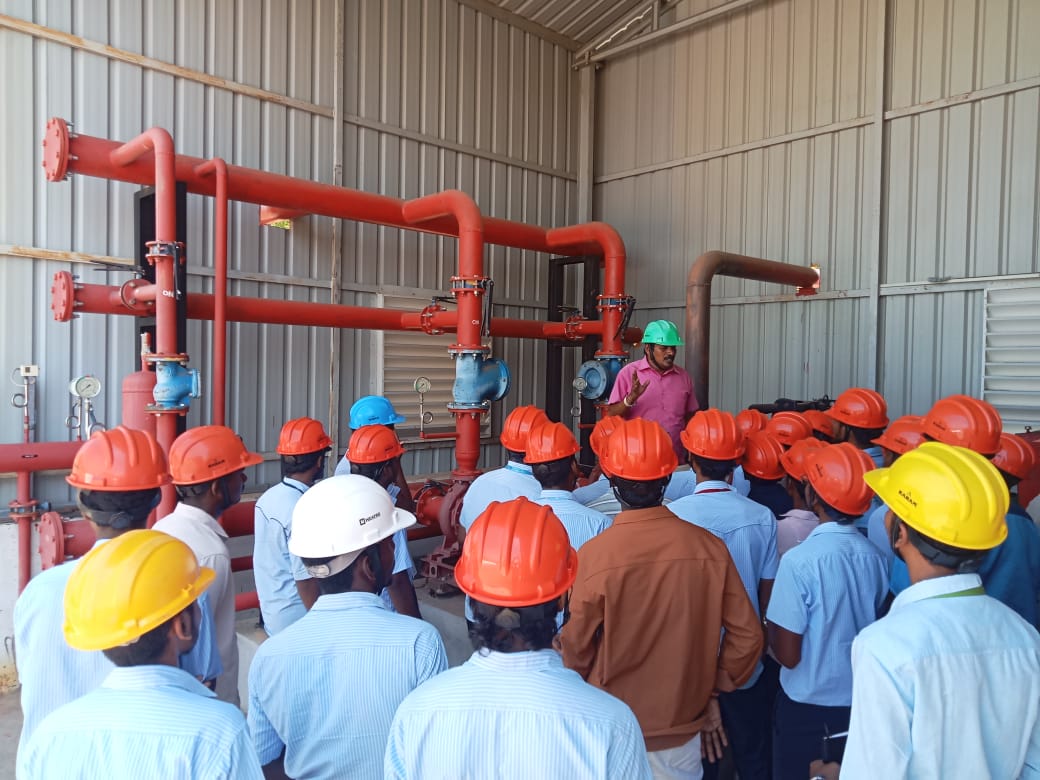
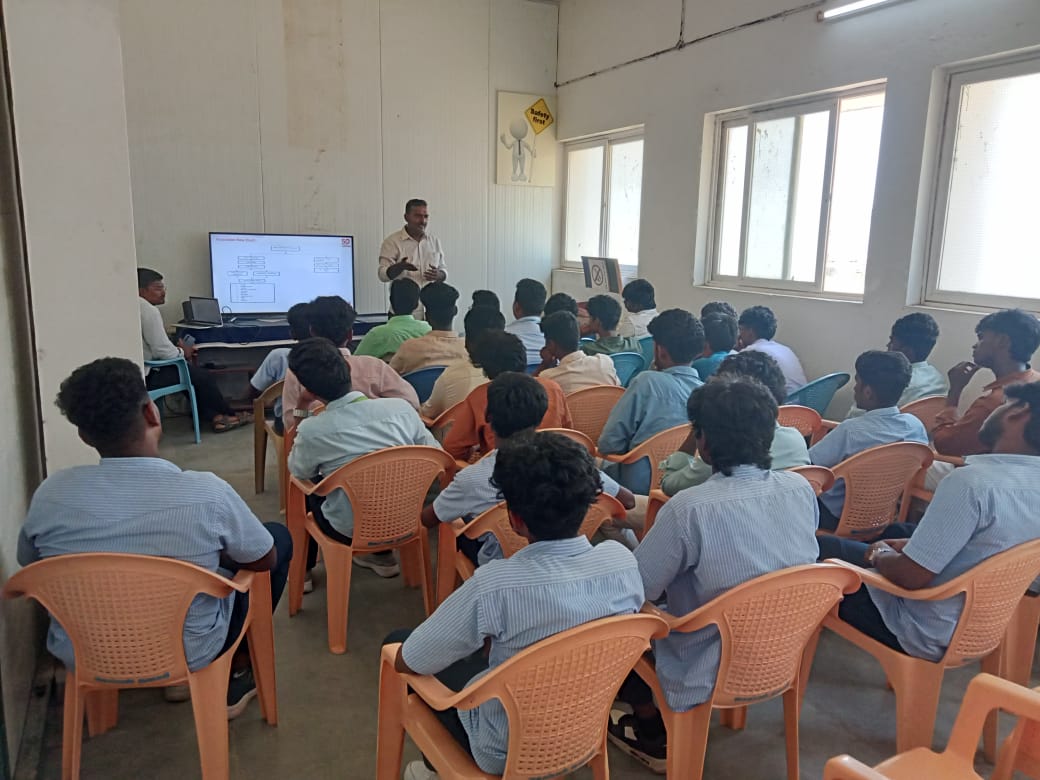
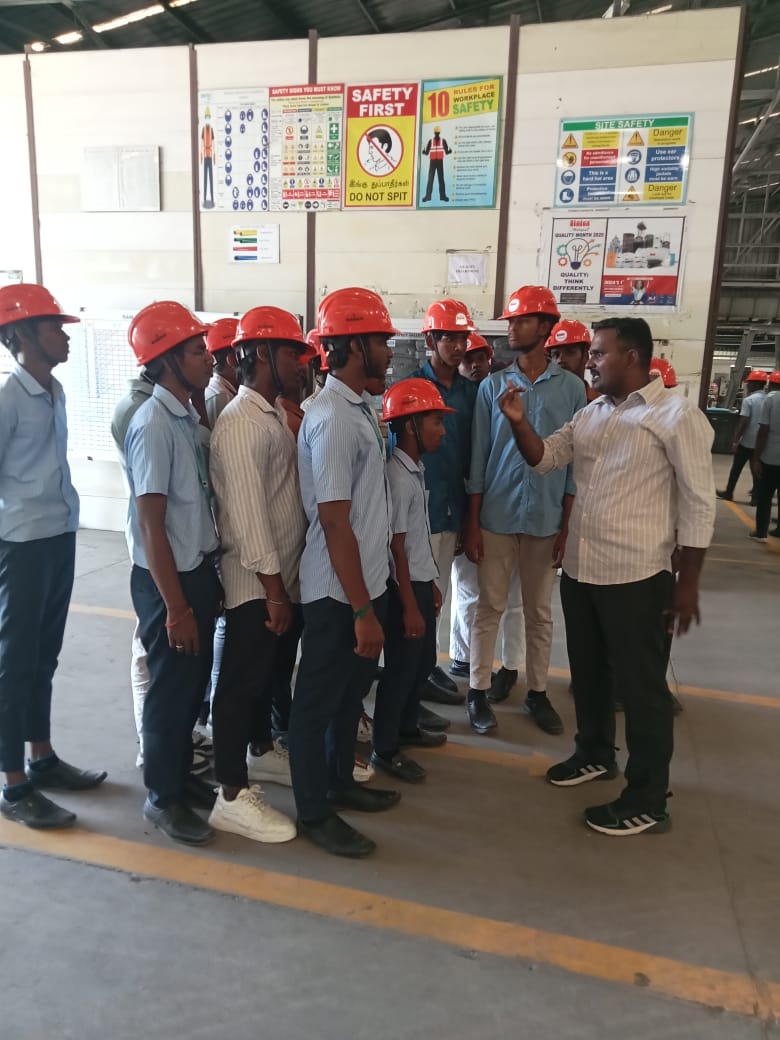
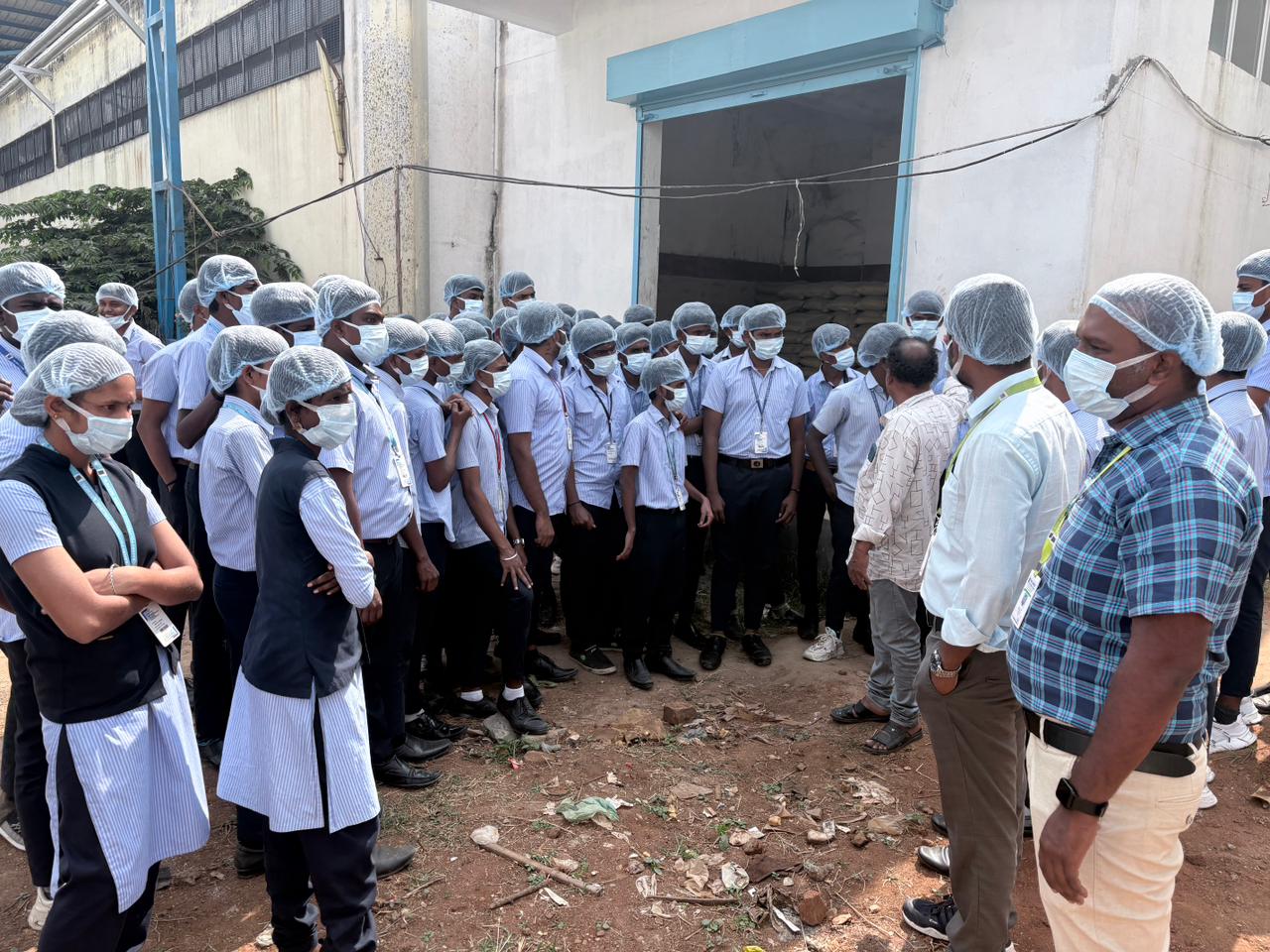
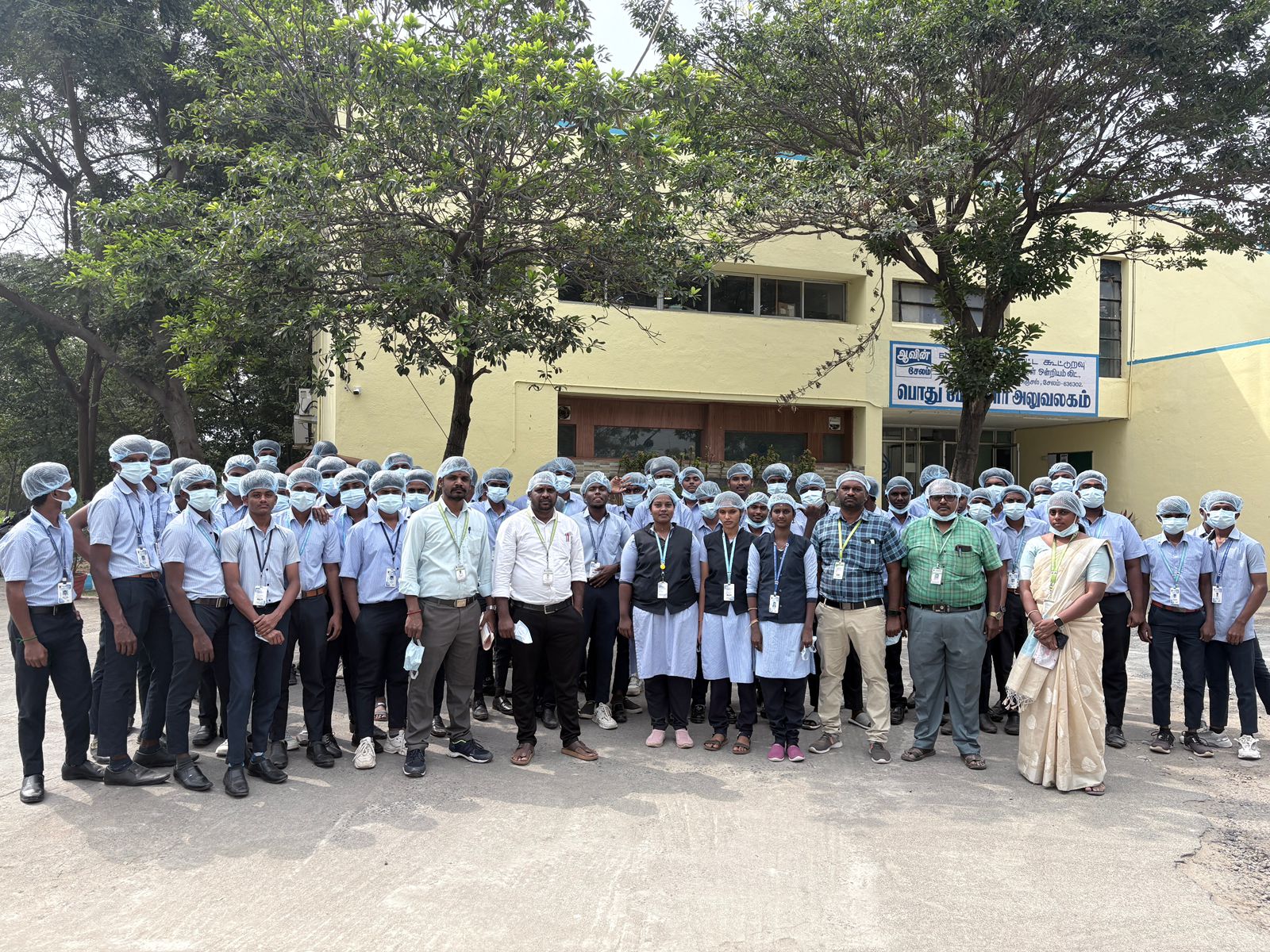
A one-day visit to Aavin Salem Dairy, operated by Tamil Nadu Cooperative Milk Producers' Federation, provides valuable practical exposure for chemical engineering students. The dairy processes raw milk into products like pasteurized milk, curd, butter, and milk powder, giving insight into large-scale industrial production. Students can observe operations such as filtration, homogenization, and pasteurization in real conditions. Temperature-controlled processes used in milk treatment help in understanding energy management in industries. Evaporation and drying techniques used for milk powder production demonstrate separation and concentration methods. The movement of milk through pipelines and pumps shows how liquids are handled efficiently in plants. Cooling and refrigeration systems maintain product quality and shelf life. Quality testing labs ensure that milk meets required standards through various chemical analyses. Cleaning systems maintain hygiene and prevent contamination in equipment. Wastewater treatment units highlight how industries manage and reduce environmental impact. Overall, the visit helps connect classroom learning with real industrial practices.
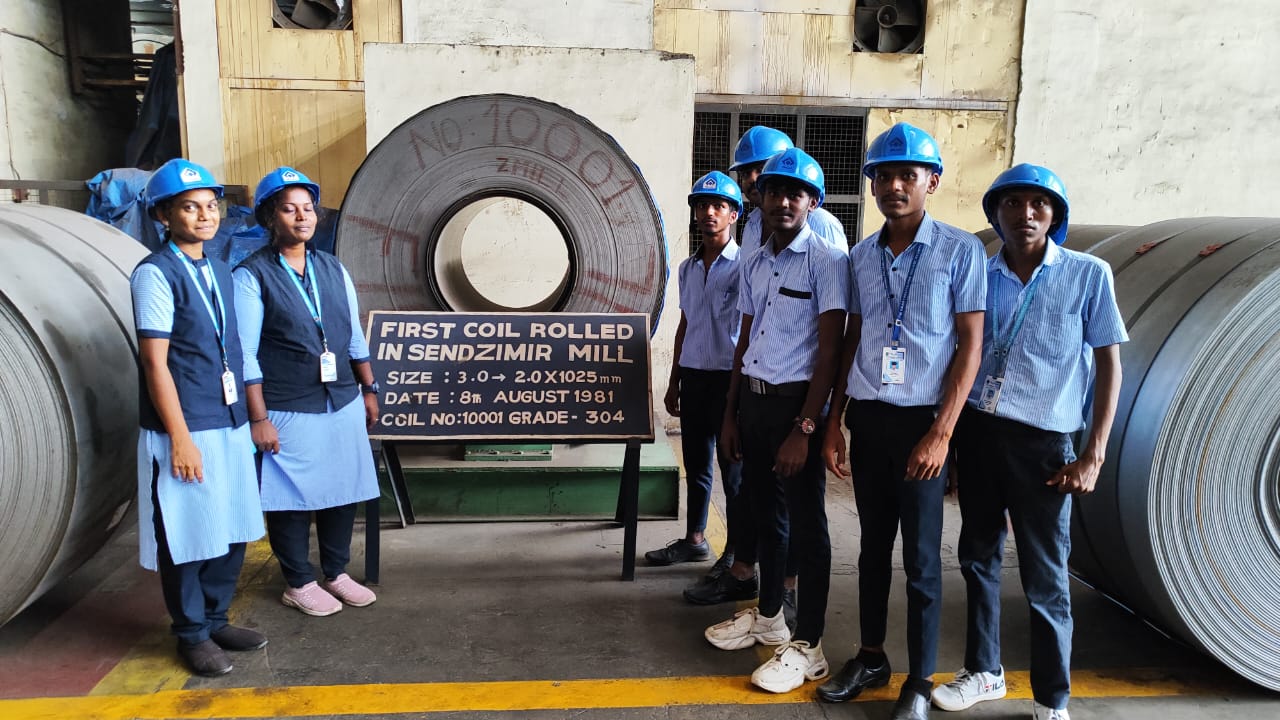
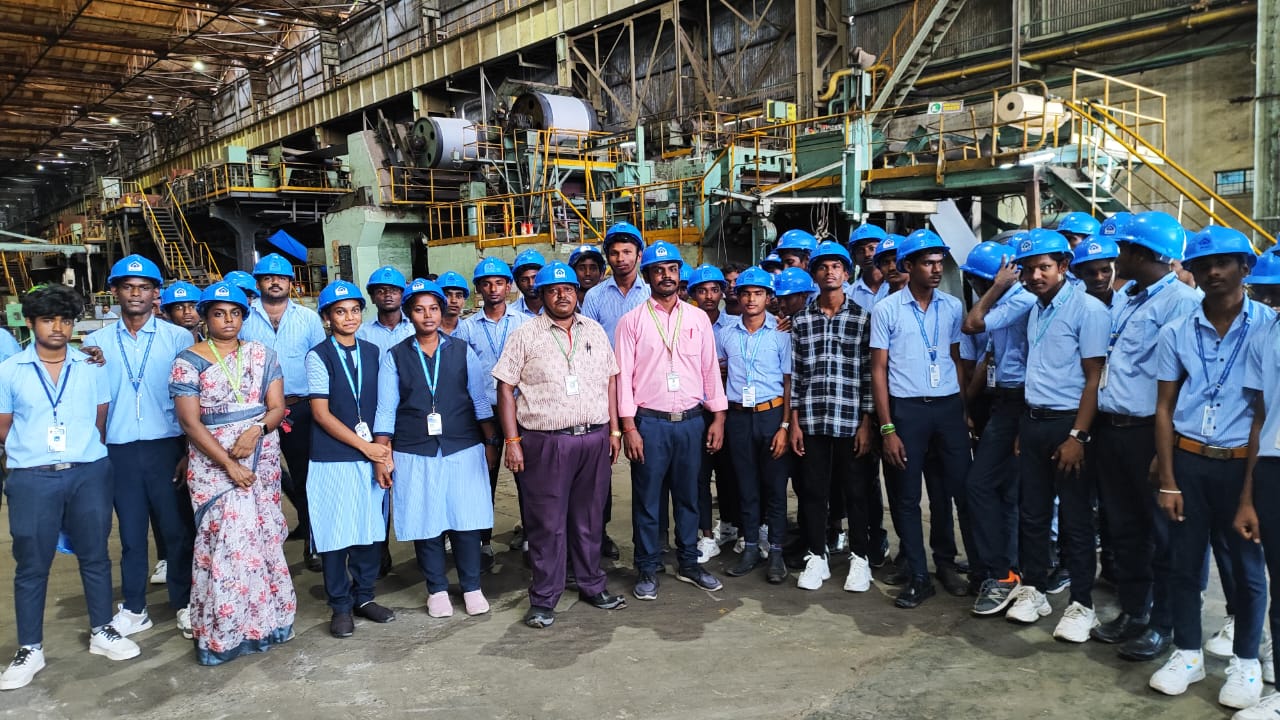
A one-day visit to Salem Steel Plant, a unit of Steel Authority of India Limited, provides practical exposure to key chemical engineering concepts. The plant is known for stainless steel production, where students can understand the handling of raw materials such as scrap, iron, chromium, and nickel. The steel making process involves electric arc furnaces and argon oxygen decarburization, which clearly demonstrate principles of thermodynamics, heat transfer, and reaction engineering. Mass transfer concepts can be observed during gas-metal interactions in refining stages. The visit also showcases fluid flow in pipelines and molten metal transport systems. In addition, rolling and finishing operations help in understanding material behaviour and mechanical processing. Environmental aspects like air pollution control, waste management, and effluent treatment are also highlighted. Modern instrumentation and automation systems give insight into process control in industries. Overall, the visit bridges theoretical knowledge with real industrial applications, making it highly beneficial for chemical engineering students.
Seminar
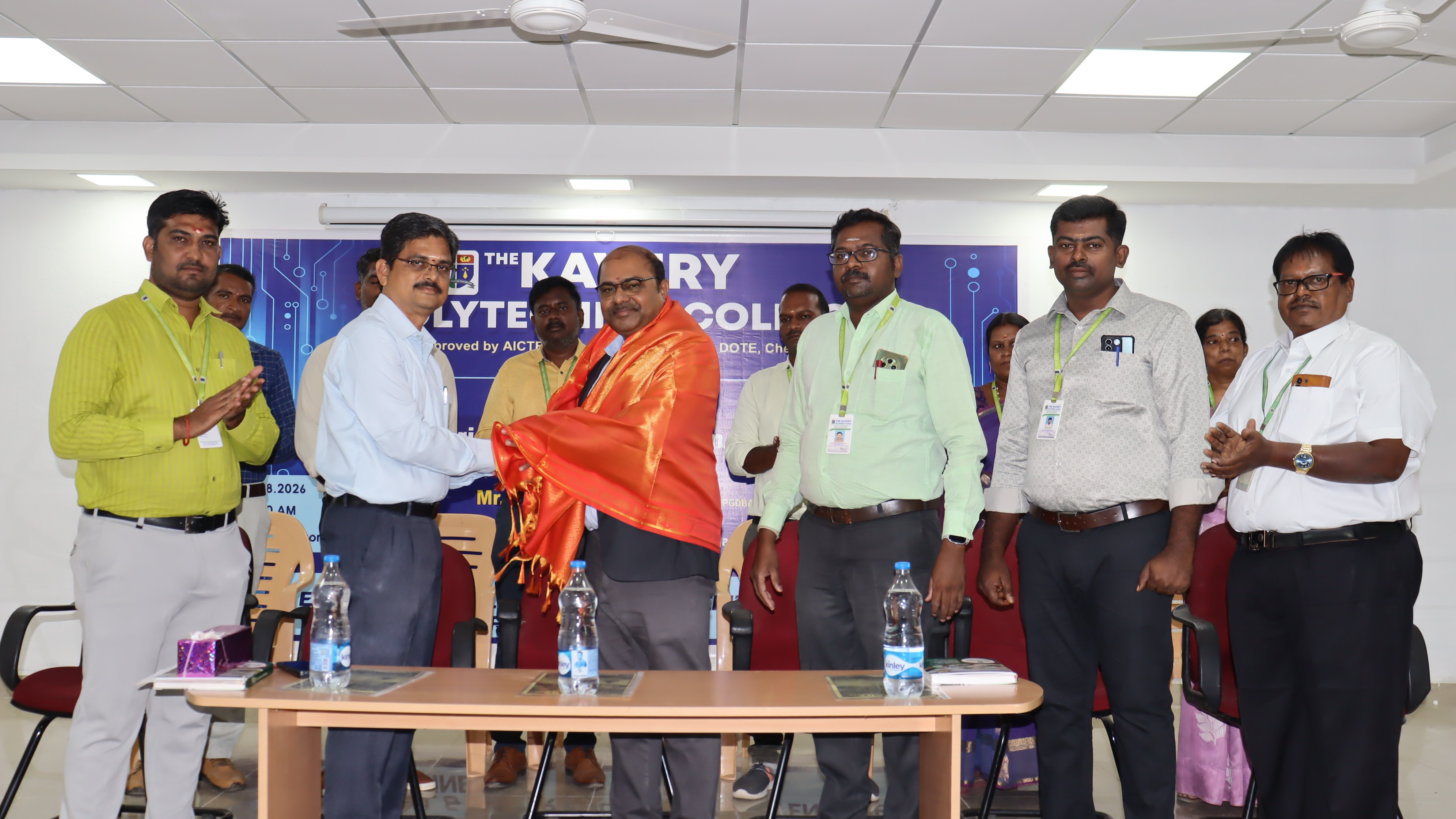
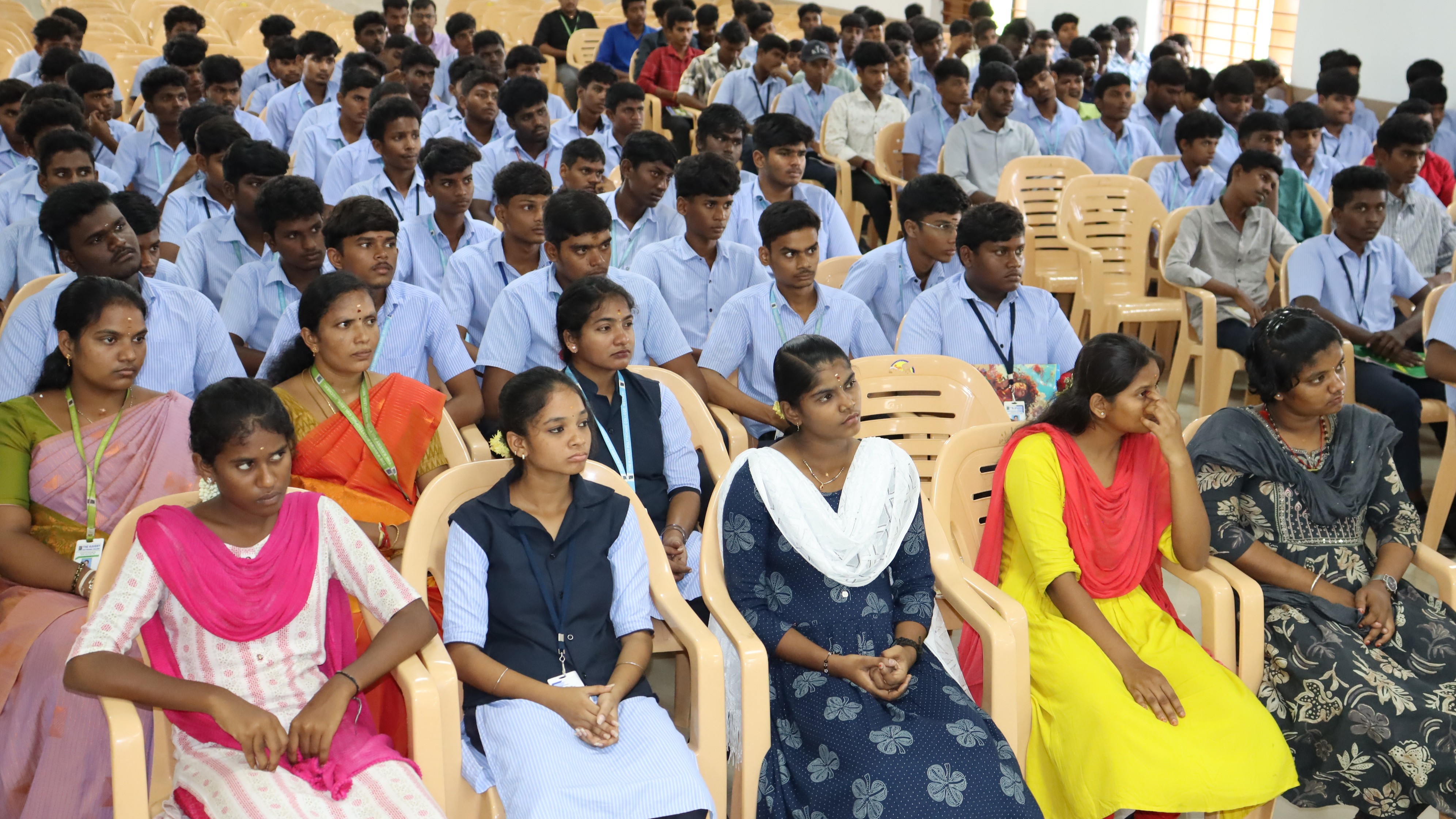
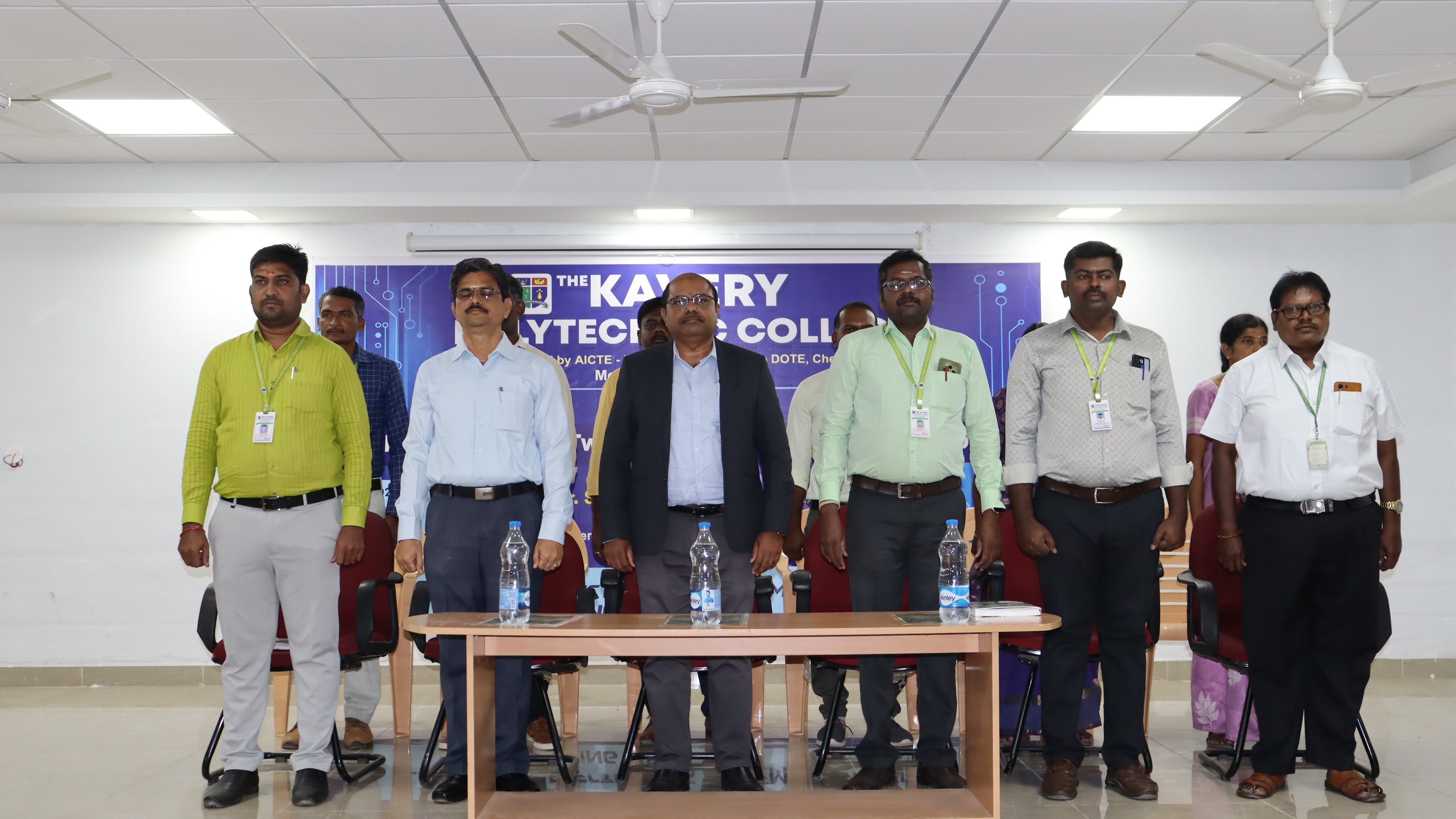
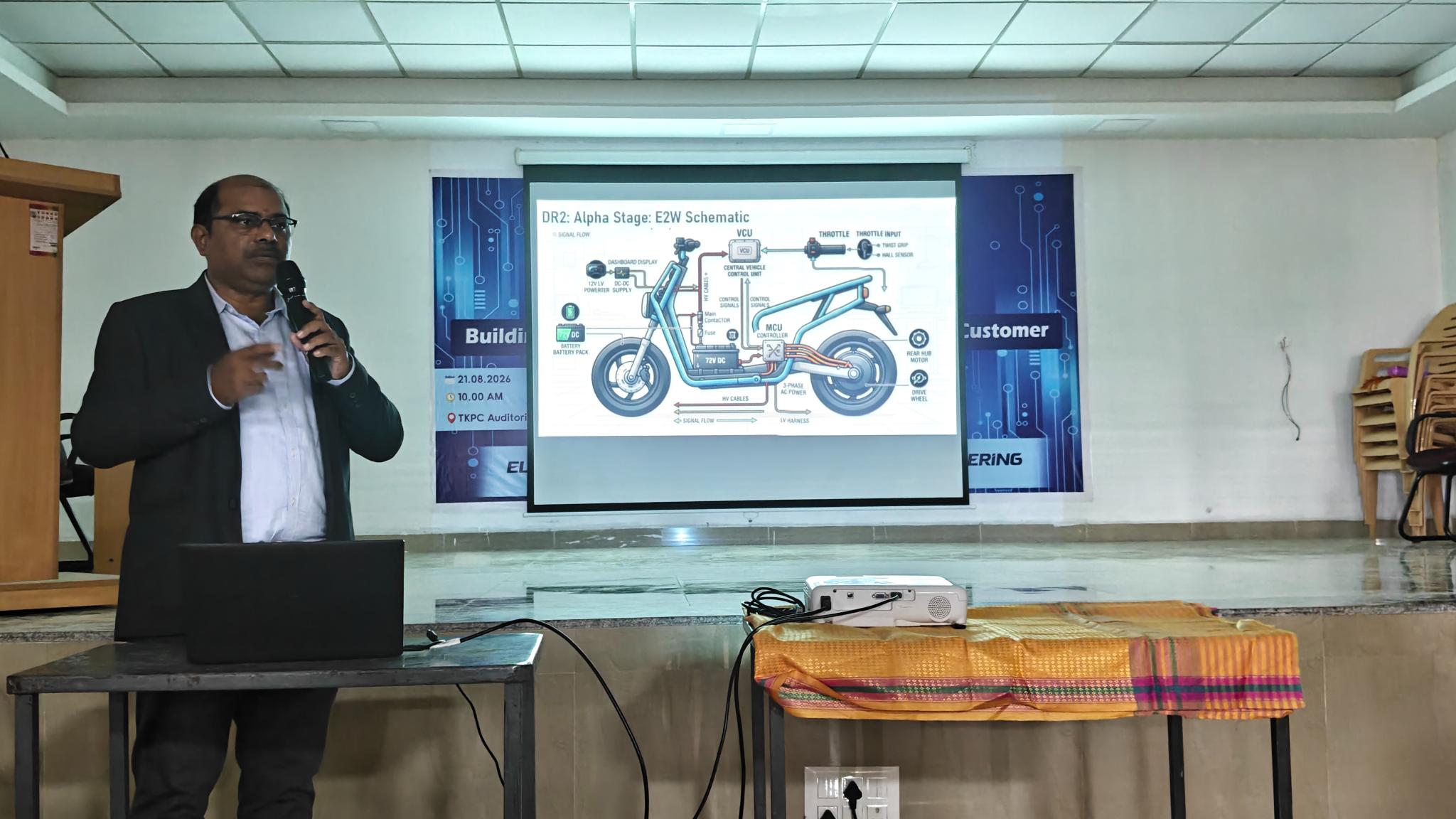
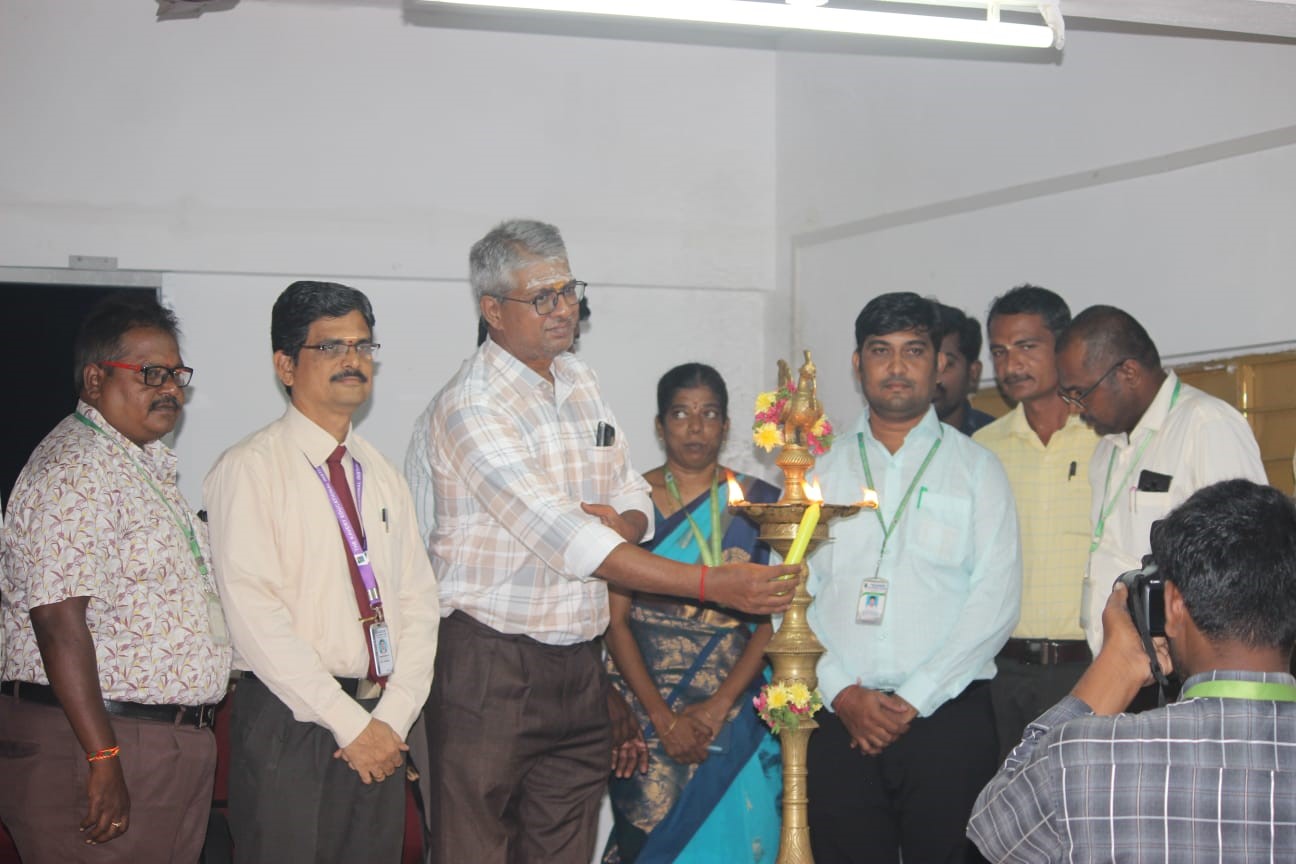
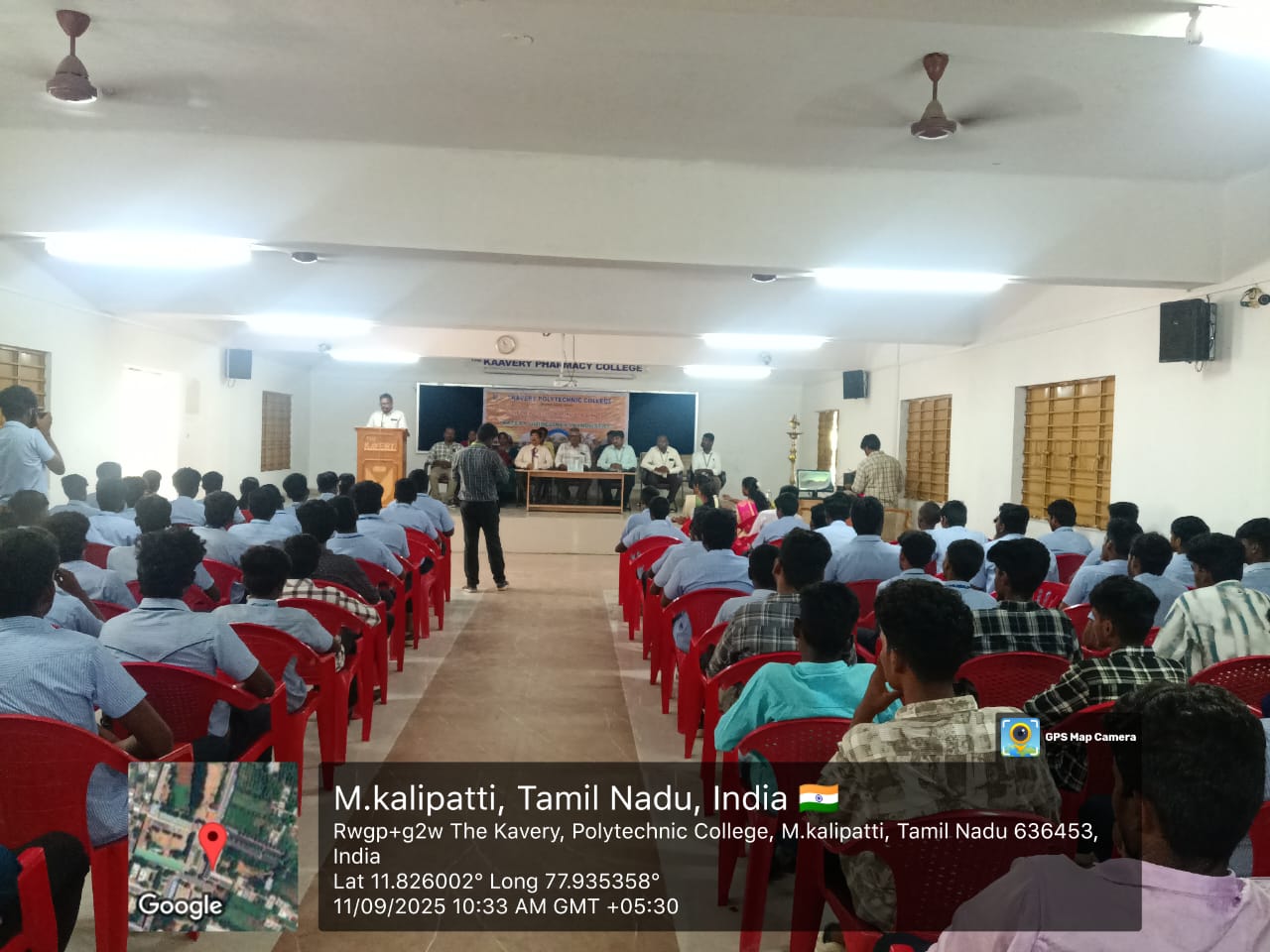
On 21.08.26, the seminar on "Building an Electric Two-Wheeler from Concept to Customer" was conducted by the Department of EEE and Chemical Engineering at The Kavery Polytechnic College, Mecheri. Our Secretary Prof. S.K. Elangovan sir honored the chief guest Mr. S. Soundarajan, Vice President of Numeros Motors, and he delivered the concept of an electric two-wheeler to the students.
The chief guest explained the major components used in an electric vehicle, the design and development process, the prototype development and testing, safety, certification, and customer requirements to the students.
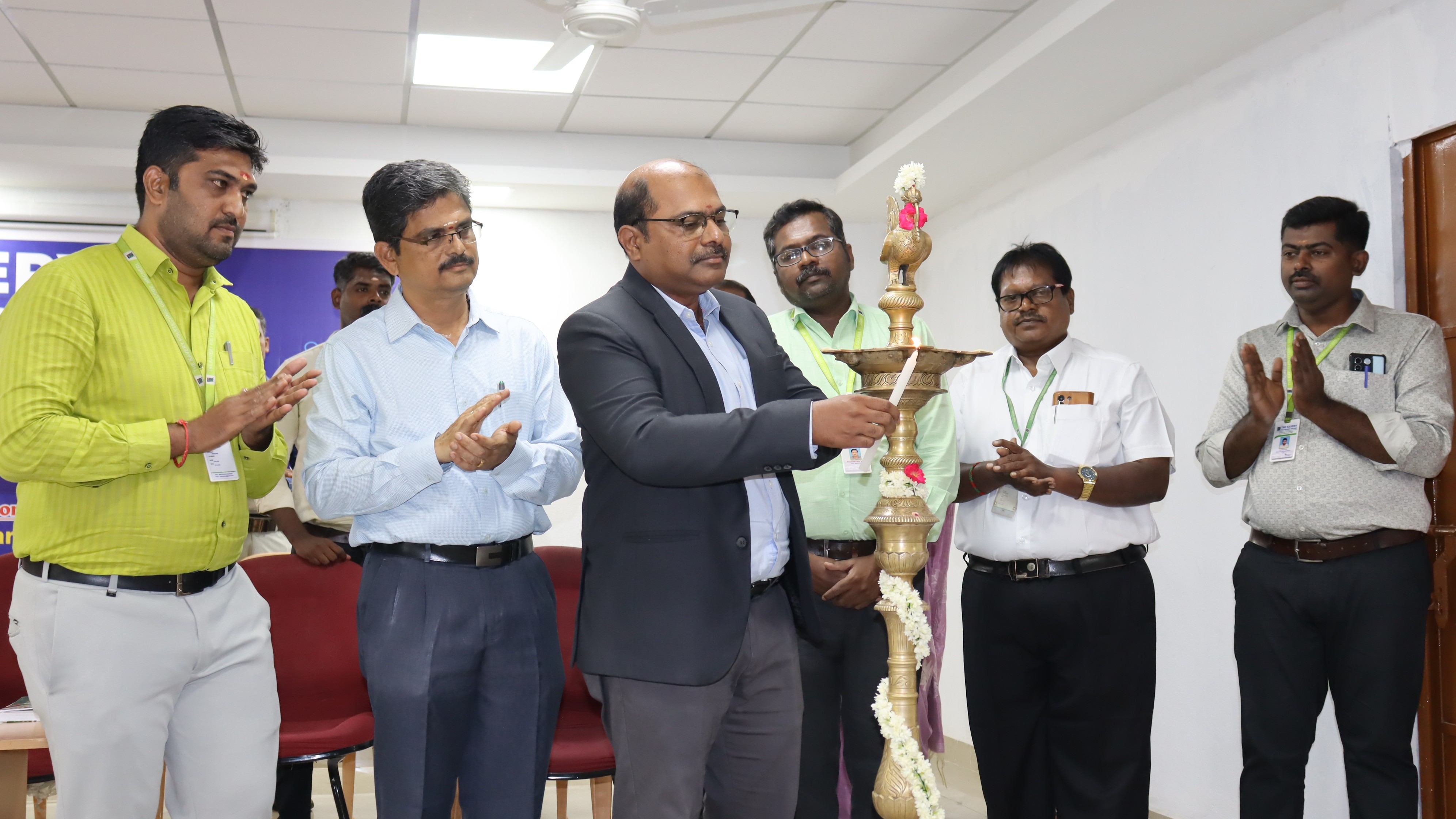
A seminar on "Safety Guidelines in Industry" was conducted to create awareness about the importance of safety practices in industrial environments. The session was delivered by the chief guest, Mr. K. Nagarajan, General Manager of Salem Steel Plant, Salem.
The seminar highlighted various safety measures followed in industries, including hazard identification, risk management, use of protective equipment, and adherence to safety regulations. The chief guest also shared real-time experiences and emphasized the importance of maintaining a safe working environment to prevent accidents and ensure smooth operations. Overall, the seminar enhanced students' understanding of industrial safety practices and their significance in professional life.
Syllabus
Download the complete syllabus for the Department of Chemical Engineering.