
Overview
The Department of Science and Humanities serves as the foundational pillar of engineering education. It provides first-year students with essential knowledge in Mathematics, Physics, Chemistry, and English. The department bridges basic science with technological applications, fostering scientific temper, critical thinking, and communication skills necessary for professional engineering careers. The department is vital for creating a scientific temper and ensuring a smooth transition for students from school to a rigorous engineering curriculum.
Vision
To educate and train the students to become efficient, skilled and future-ready professionals, equipped with technical expertise, Innovation and values to contribute to industry and society.
Mission
- To empower students with technical knowledge, practical skills and innovation-driven learning to meet industry standards and societal needs.
- Ensuring students receive hands-on training and industry-relevant knowledge.
- Developed skilled professionals through internships, workshops and real-world projects.
- Providing job-entered training, internships and industry collaborations to secure employment for every student.
Program Outcomes (POs) – First Year Basic Engineering
- PO1 – Basic Engineering Knowledge: Apply fundamental knowledge of mathematics, physics, and chemistry to understand basic engineering concepts and solve simple technical problems.
- PO2 – Problem Analysis: Identify and analyze basic engineering problems using logical thinking and scientific principles.
- PO3 – Practical Skills: Demonstrate practical skills through laboratory experiments, workshop practices, and basic engineering practices.
- PO4 – Engineering Tools Usage: Use appropriate tools, instruments, and software related to drafting, computer applications, and basic engineering tasks.
- PO5 – Multidisciplinary Understanding: Understand the fundamentals of various engineering disciplines including mechanical, civil, electrical, electronics, and computer engineering.
- PO6 – Communication Skills: Communicate effectively in English through reading, writing, speaking, and listening in academic and workplace environments.
- PO7 – Professional Skills & Employability: Develop workplace readiness through digital skills, employability skills, and professional ethics.
- PO8 – Teamwork and Collaboration: Work effectively as an individual and as a member of a team in workshop, lab, and project environments.
- PO9 – Engineering Drawing & Visualization: Interpret and create basic engineering drawings using standard drafting practices.
- PO10 – Lifelong Learning: Recognize the need for lifelong learning and adapt to technological advancements in engineering fields.
Faculty Profile
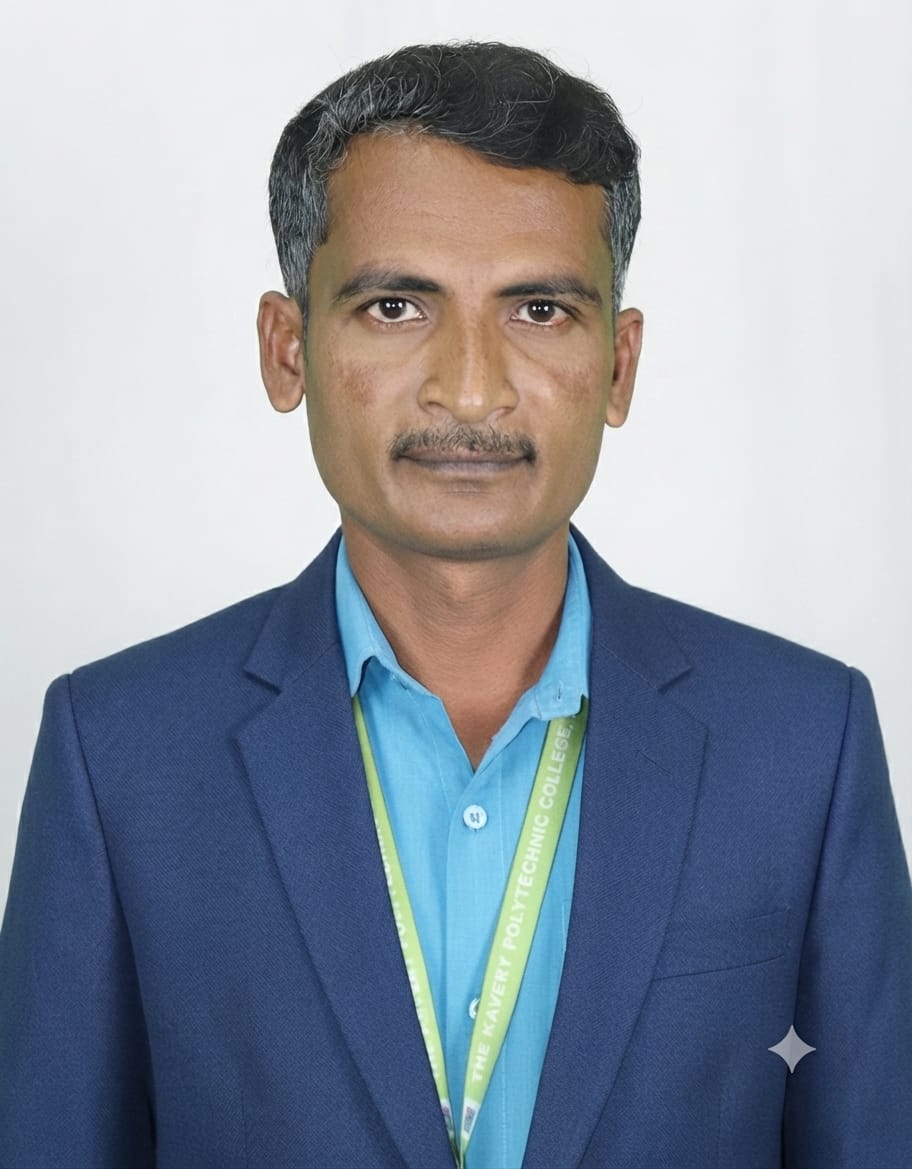
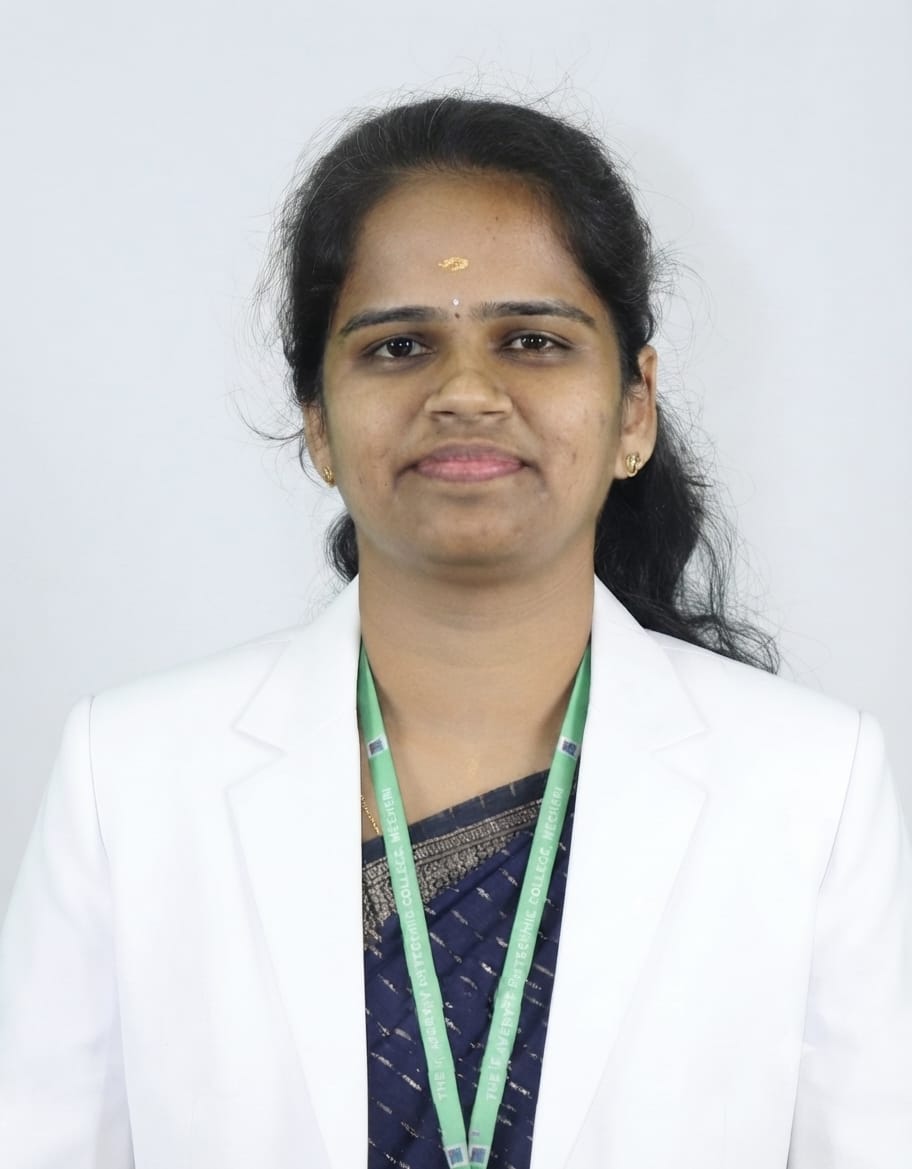
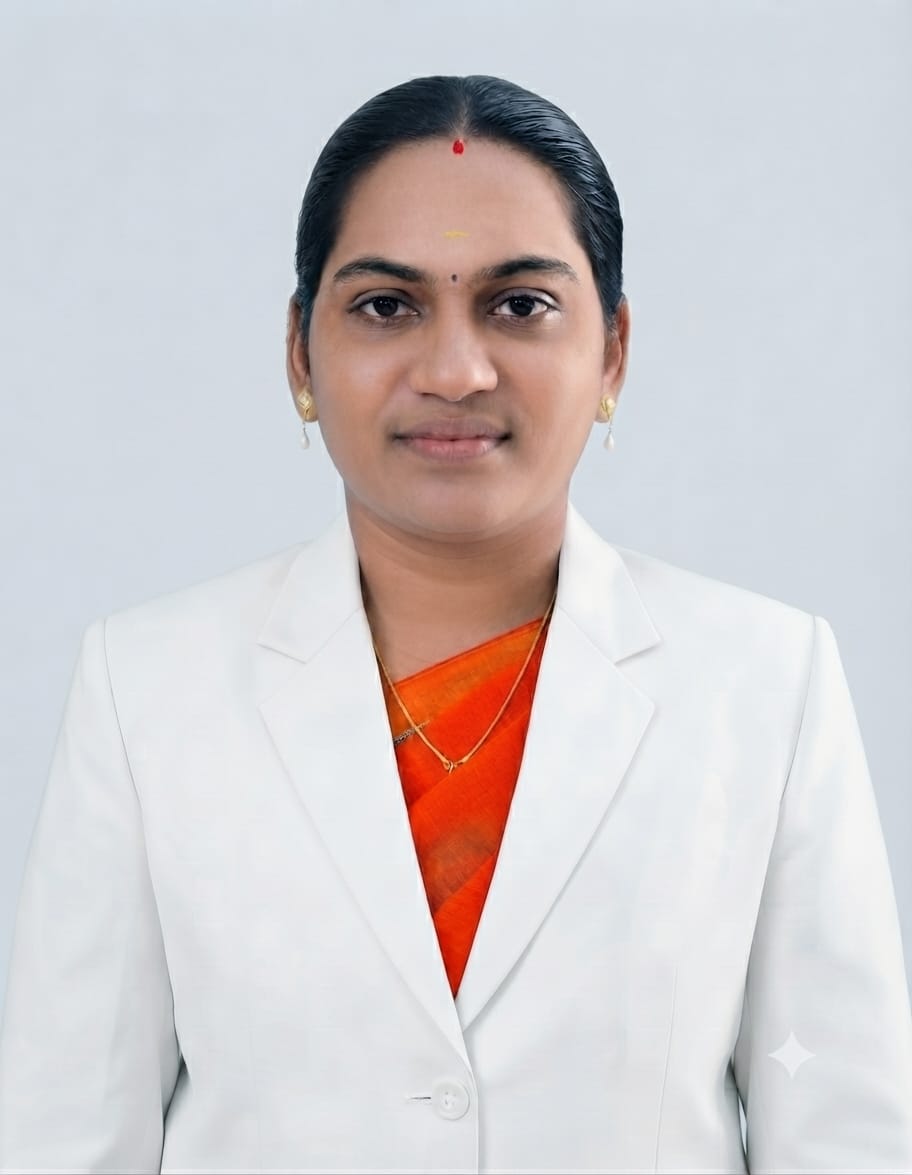
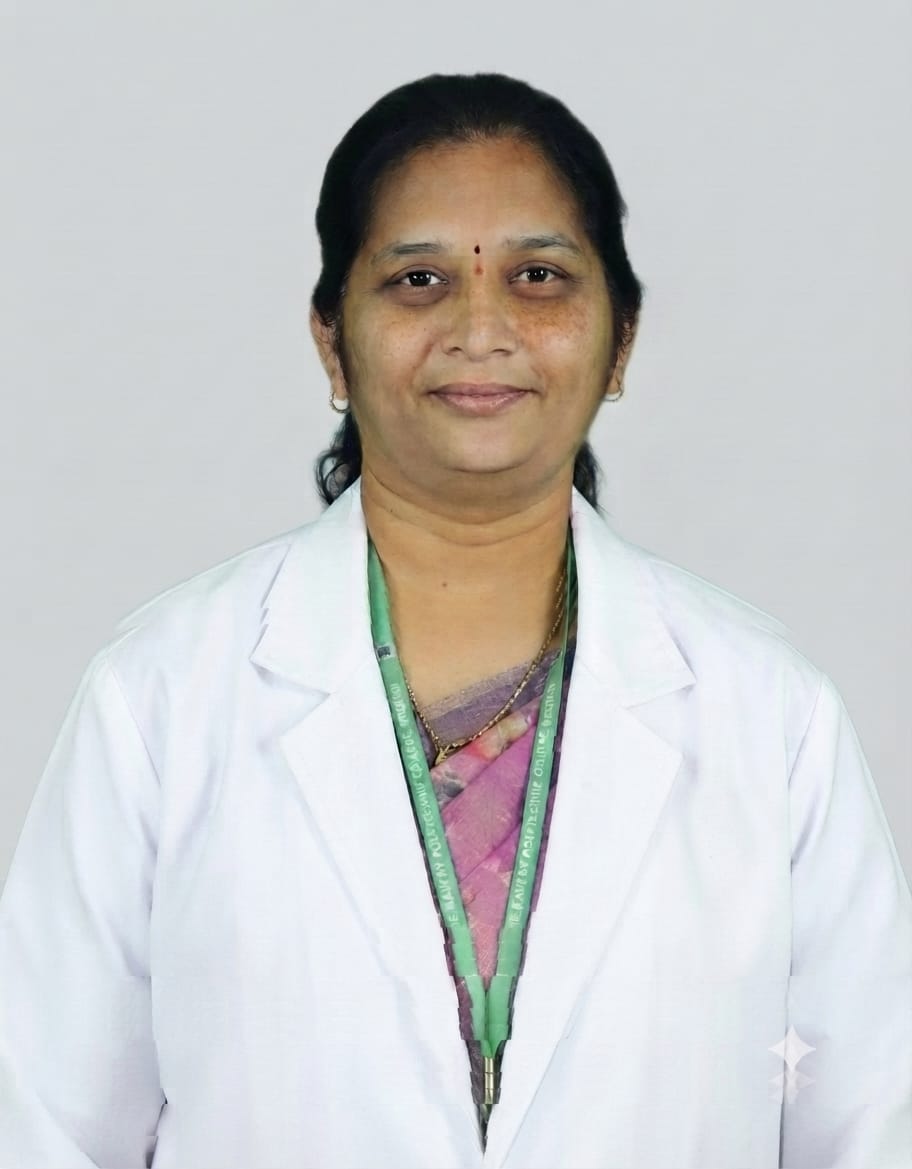
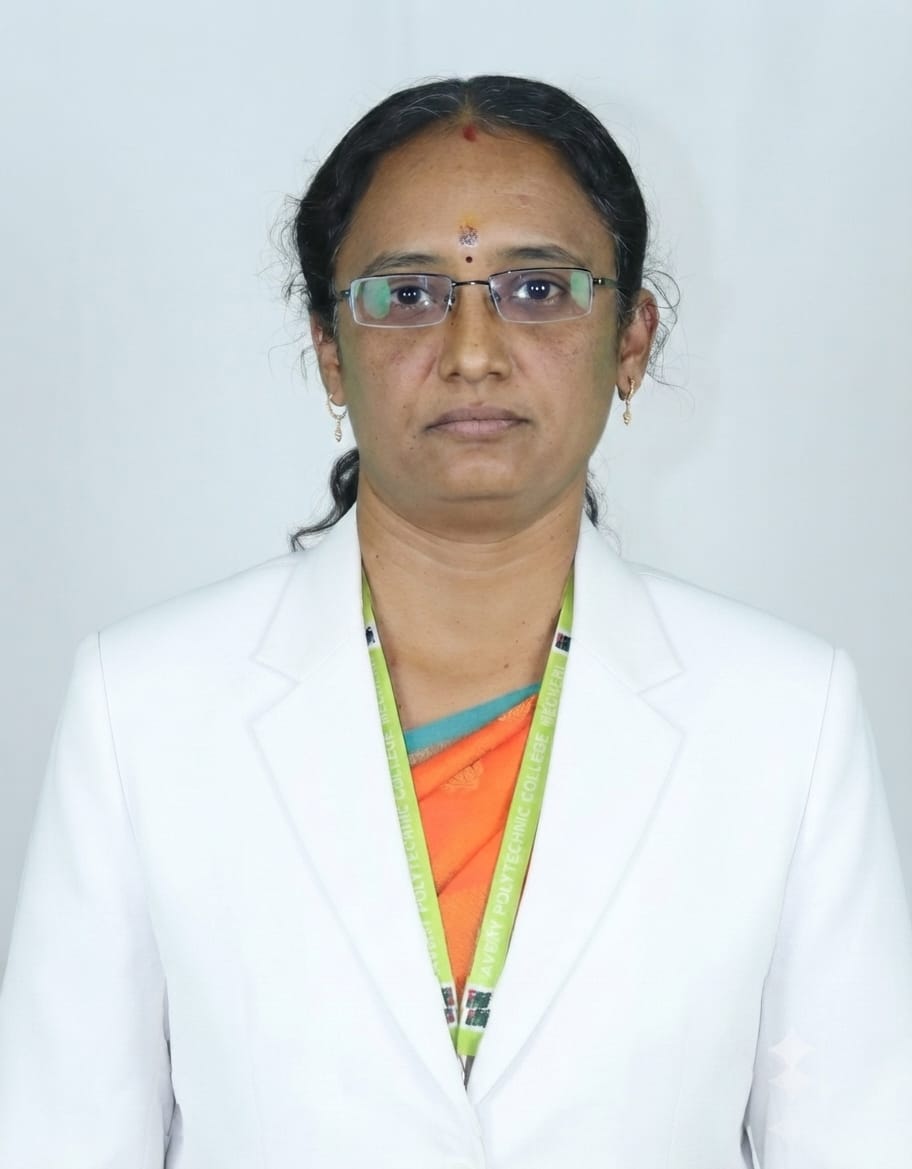
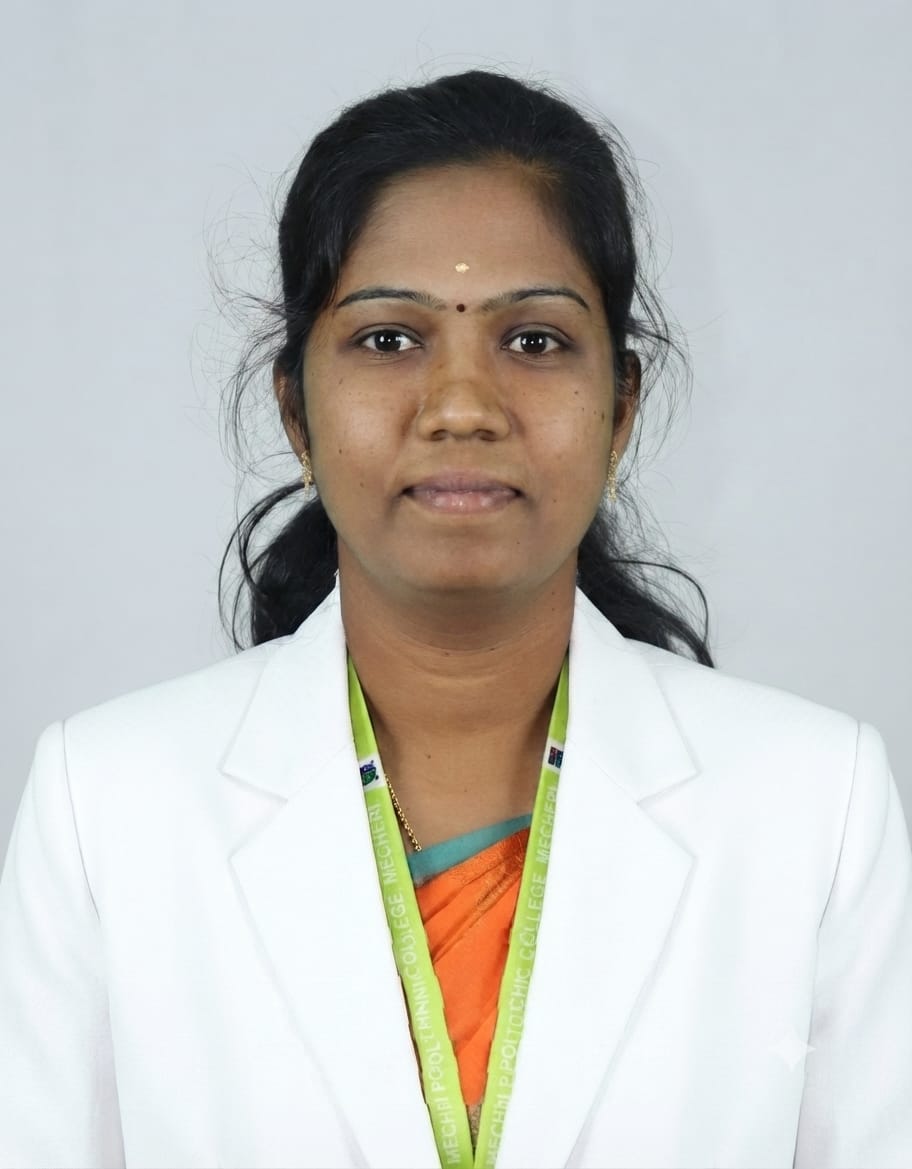
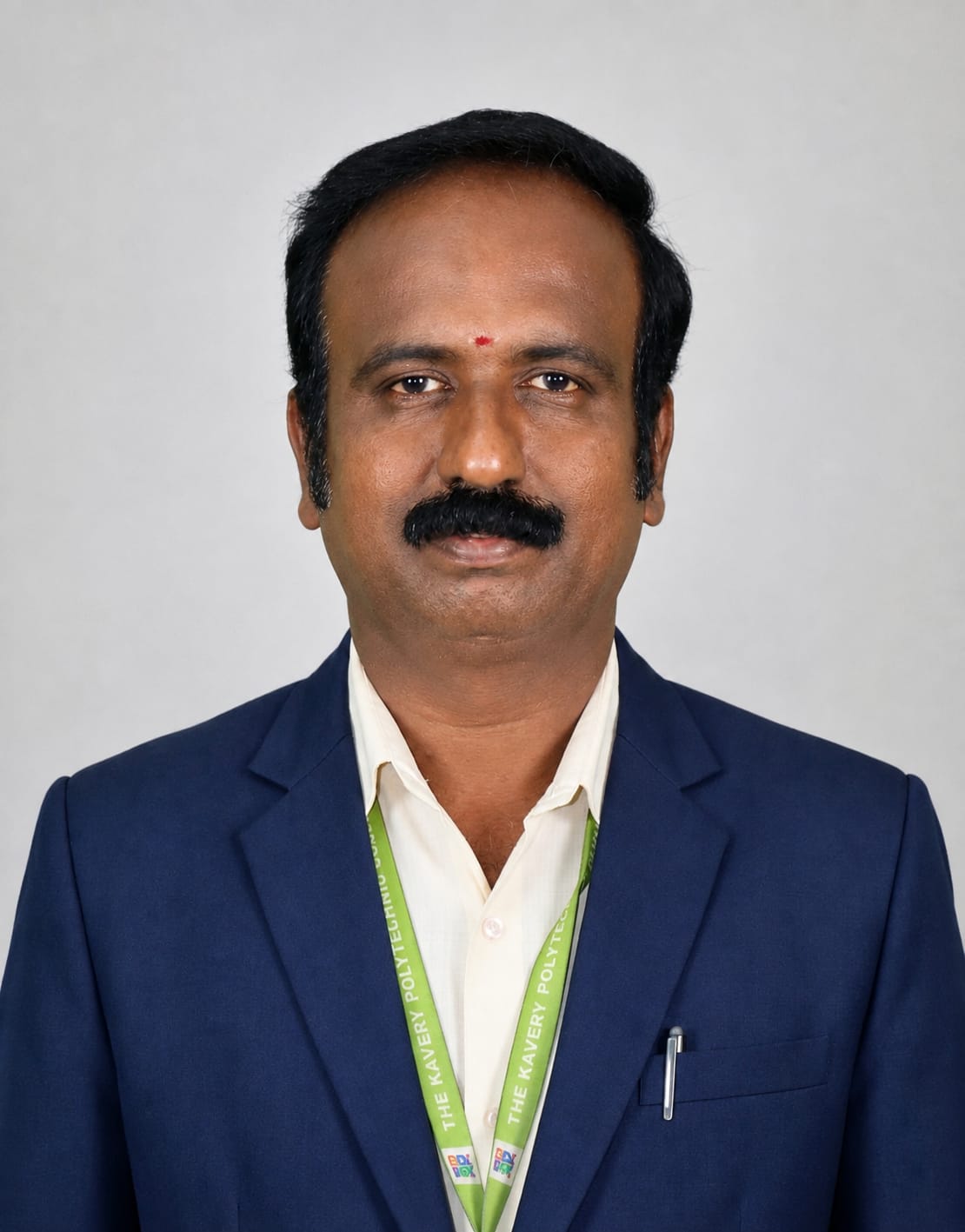
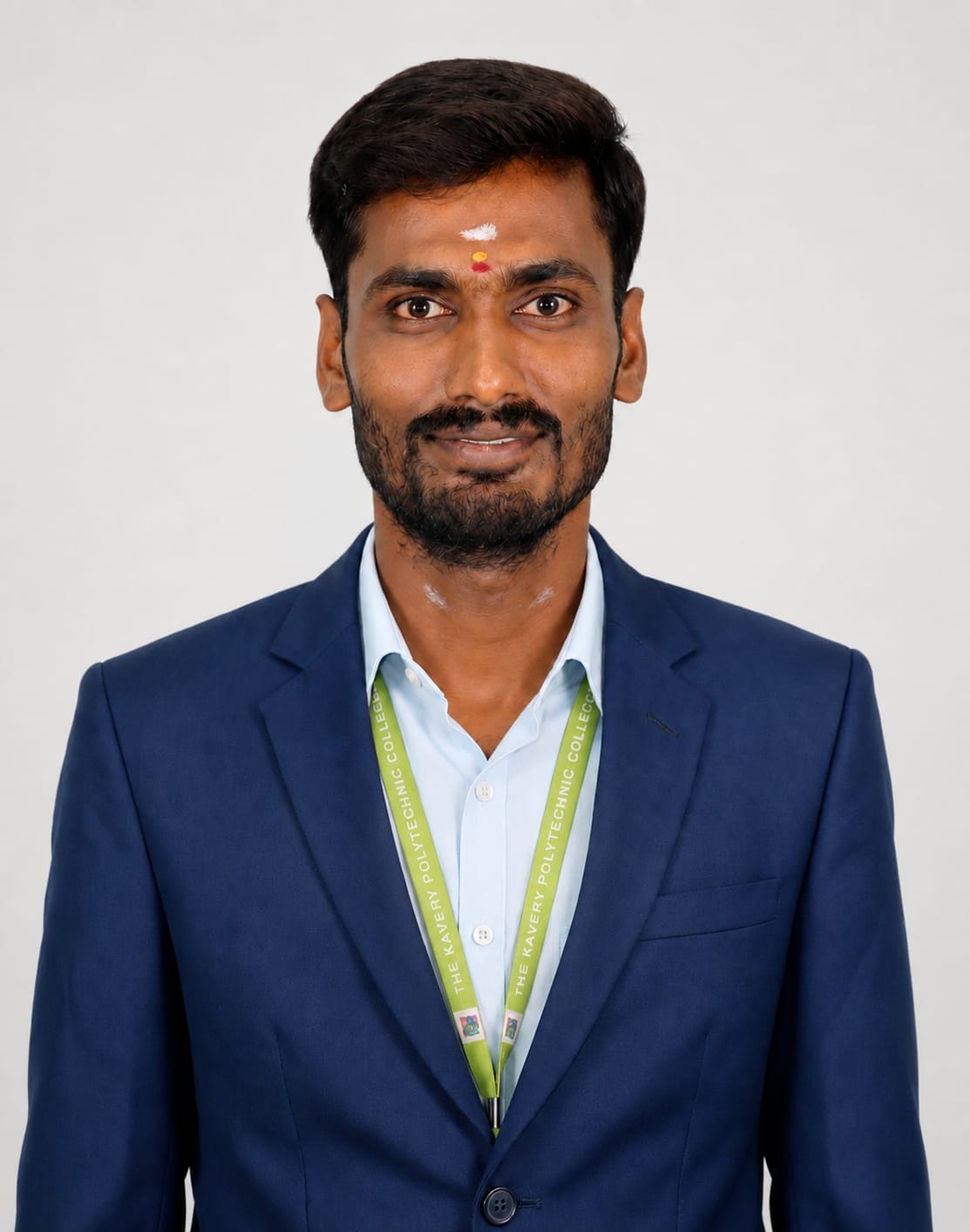
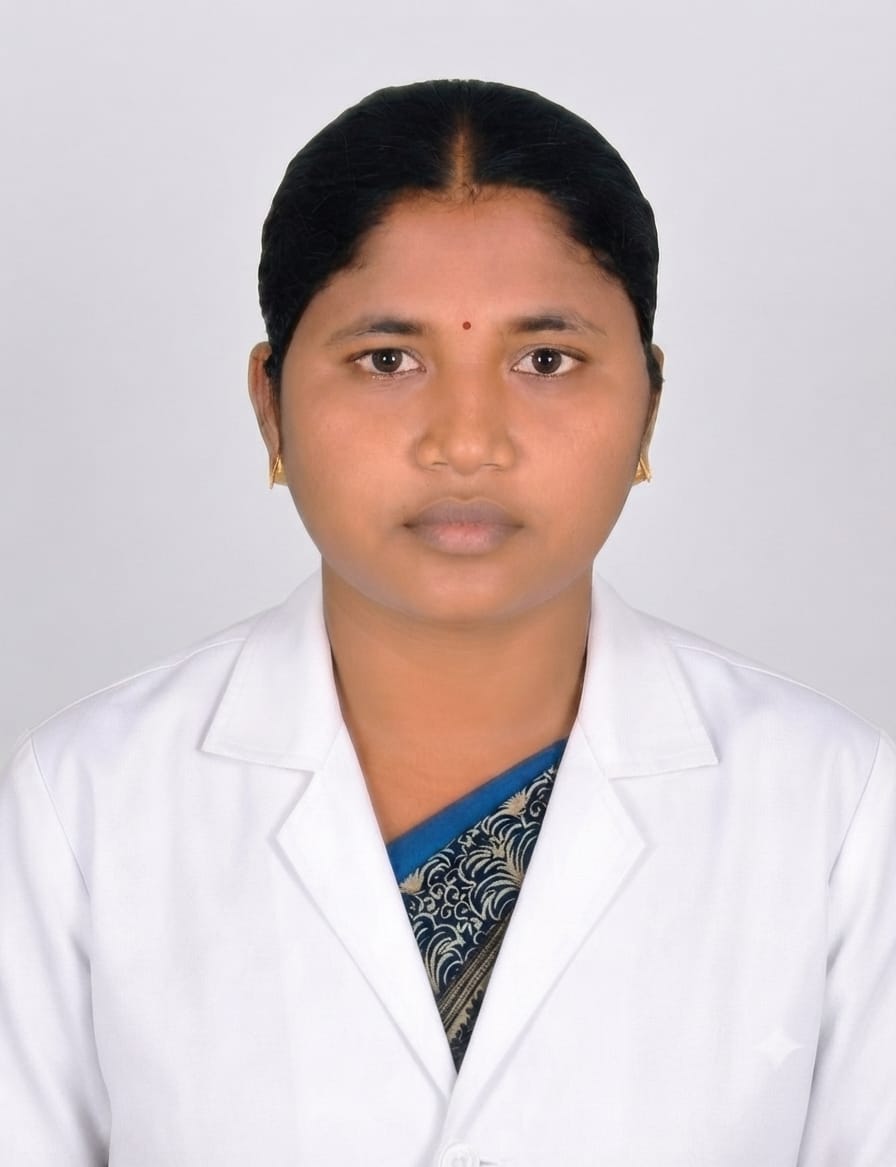
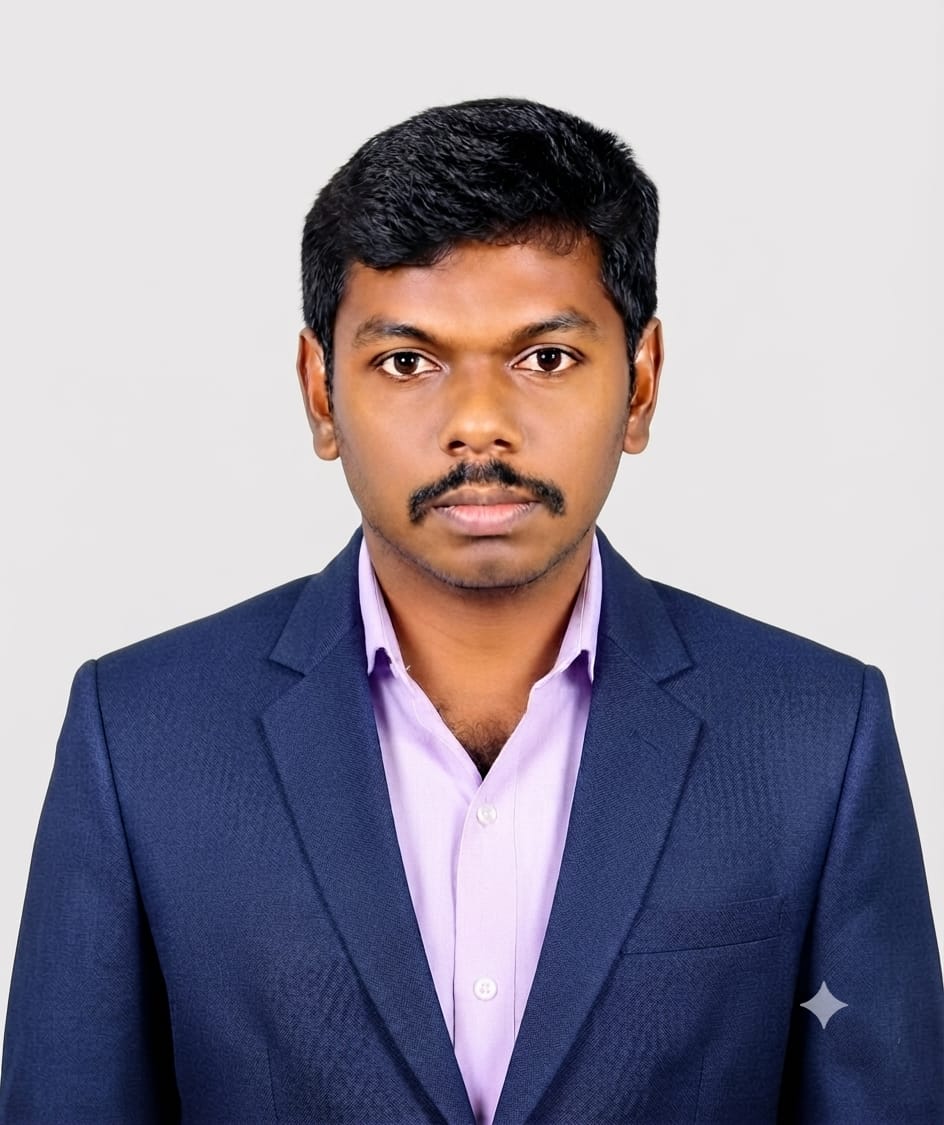
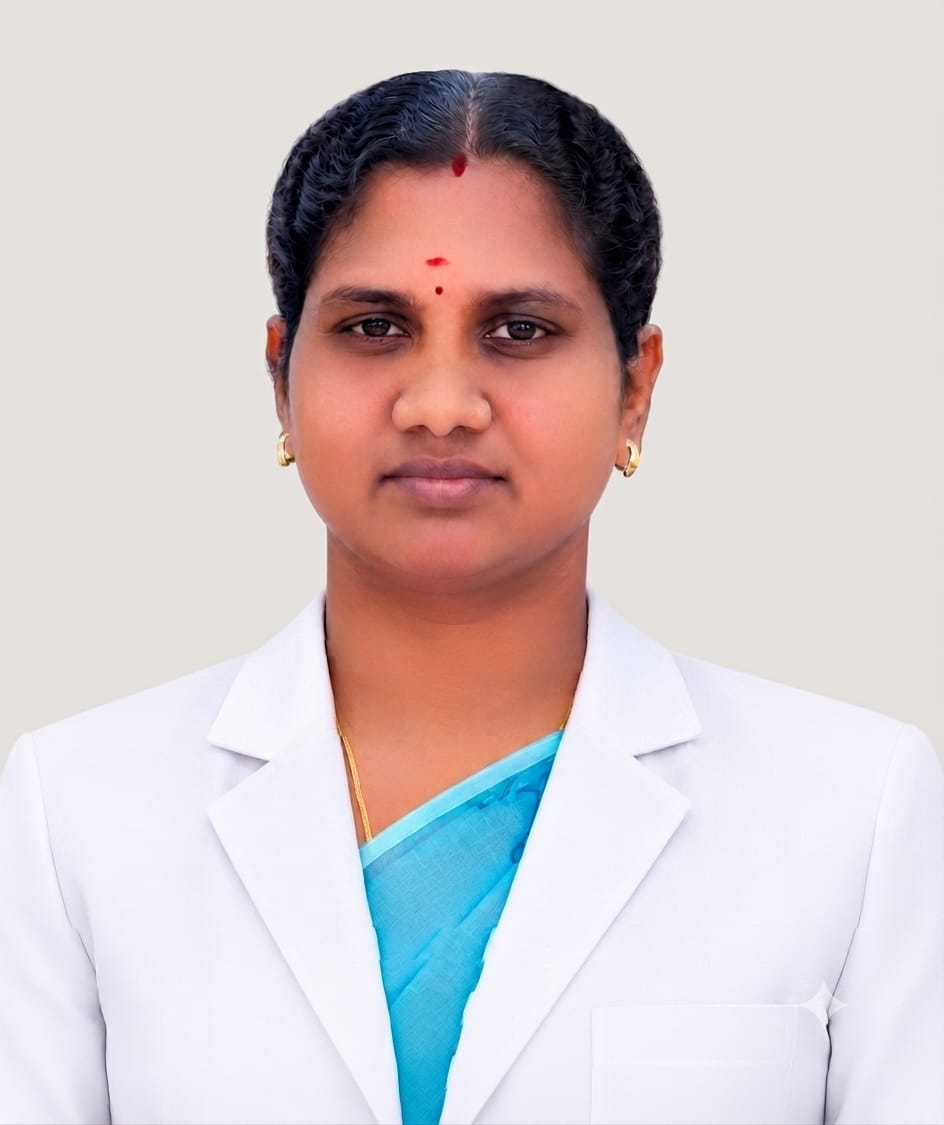
Technical Faculty Profile
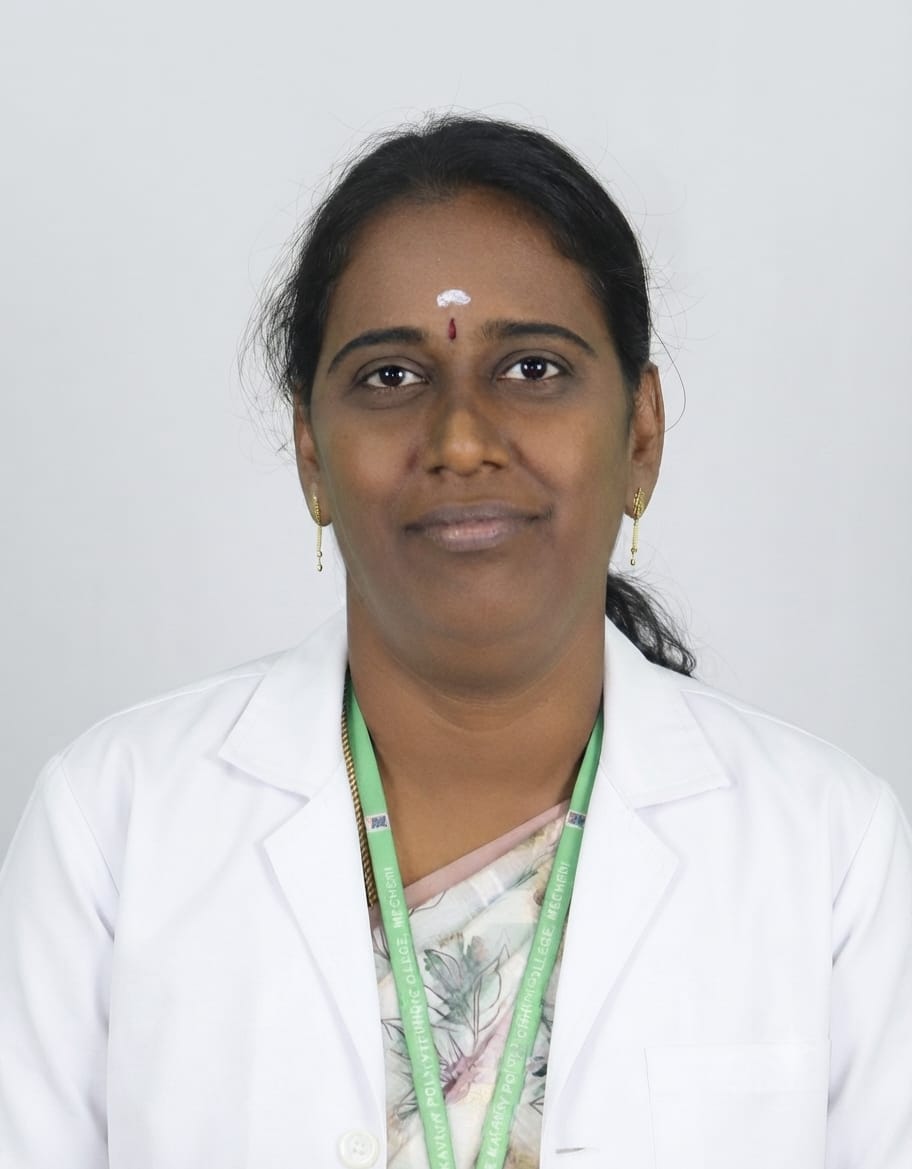
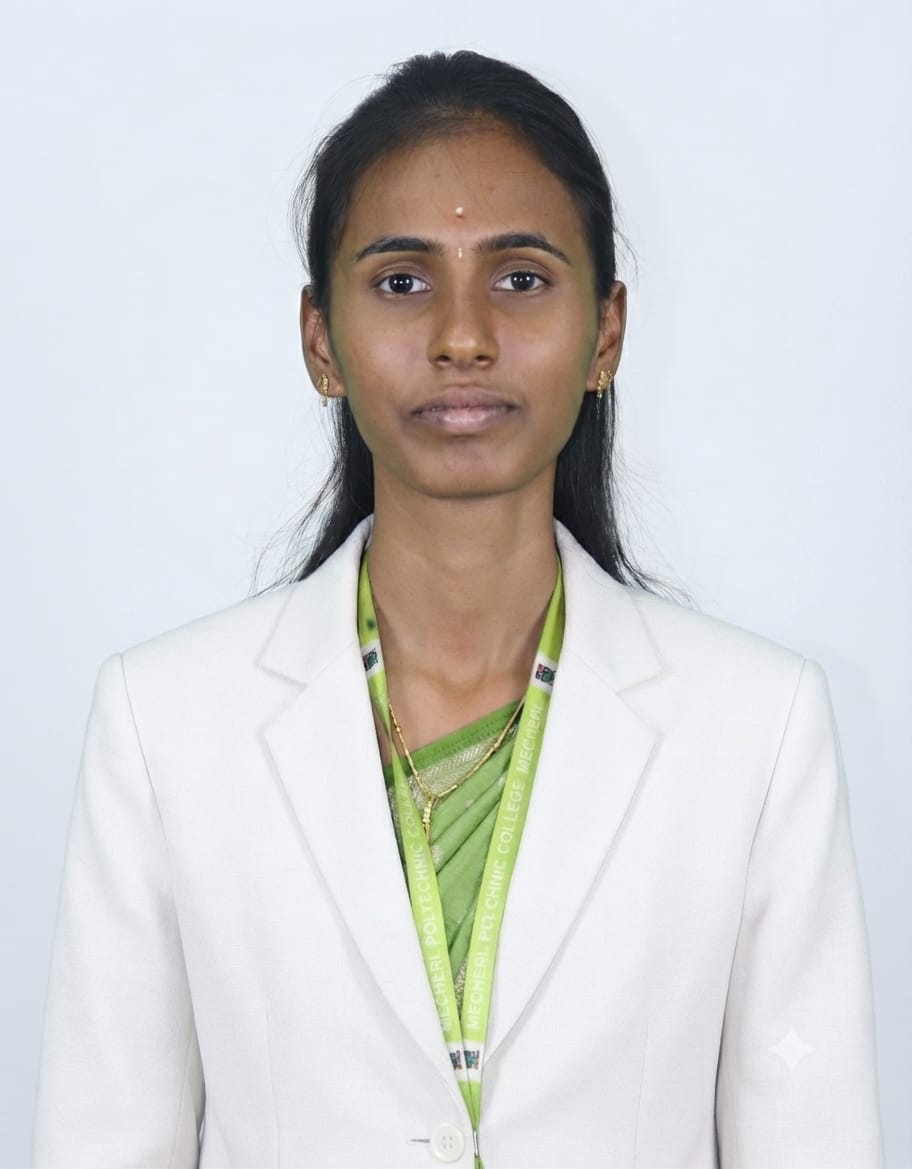
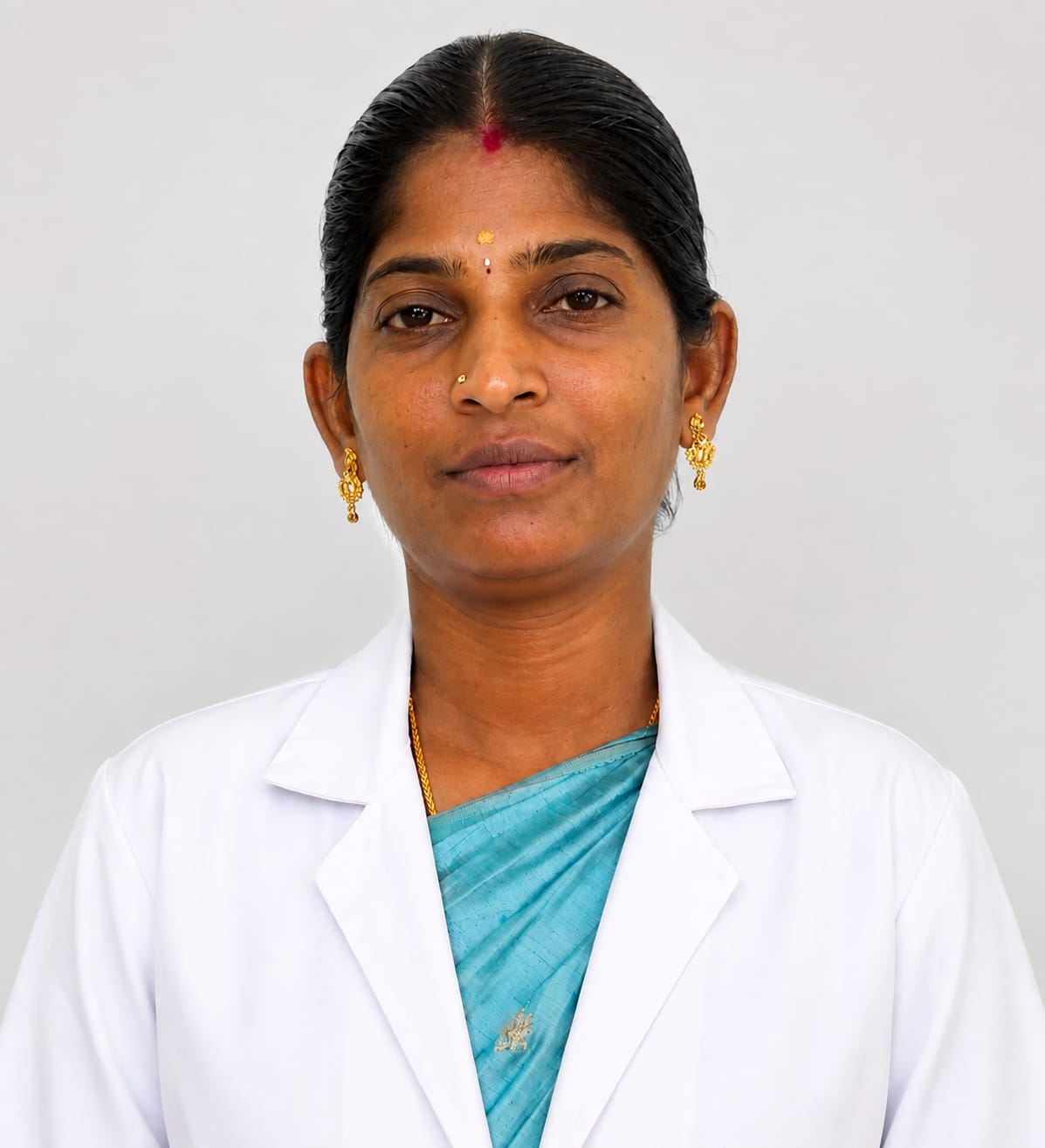
Lab Facilities
Physics laboratory is a well-equipped and controlled environment designed for conducting experiments, measuring physical phenomena, and validating scientific theories related to matter, energy, motion, and electricity. It bridges theoretical concepts with practical application by featuring equipment such as spectrometers, CROs, lasers, and sensors, thereby fostering inquiry-based learning.
Equipment Details:
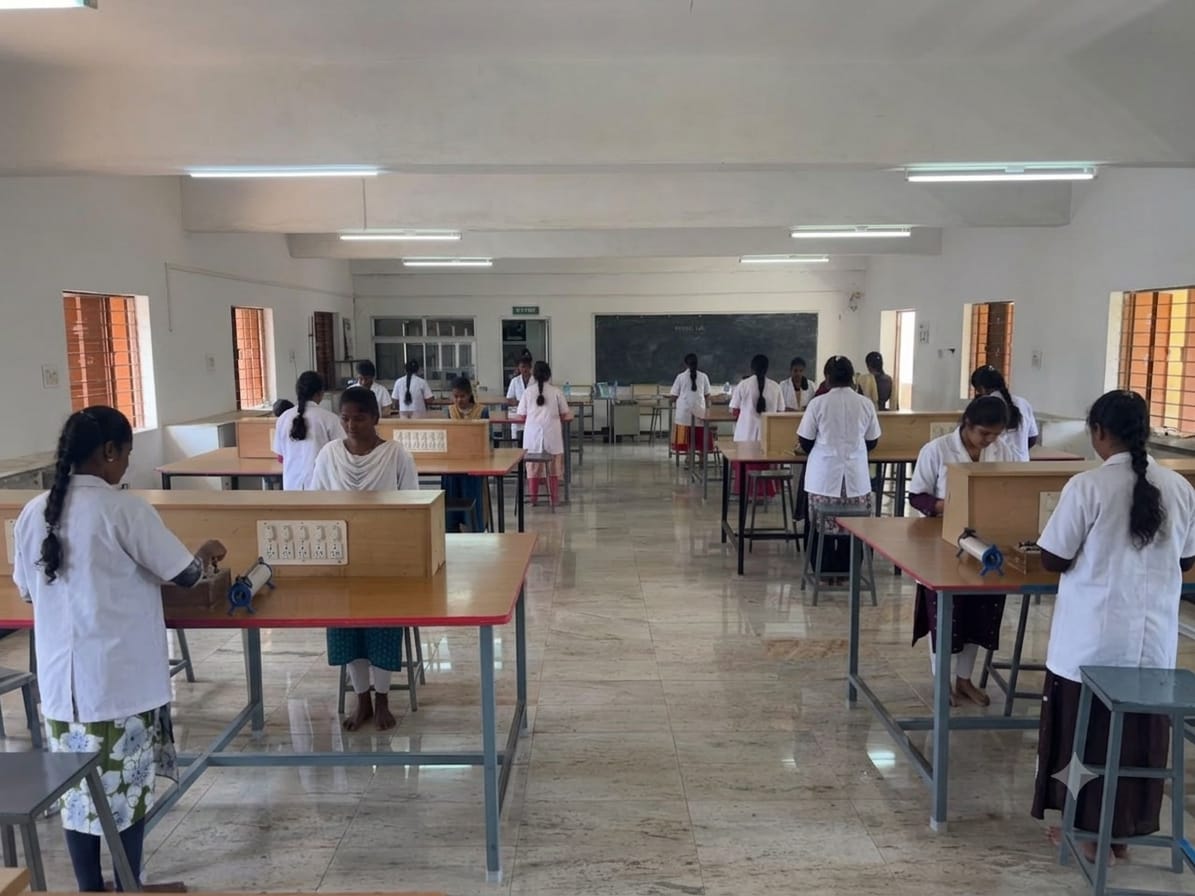
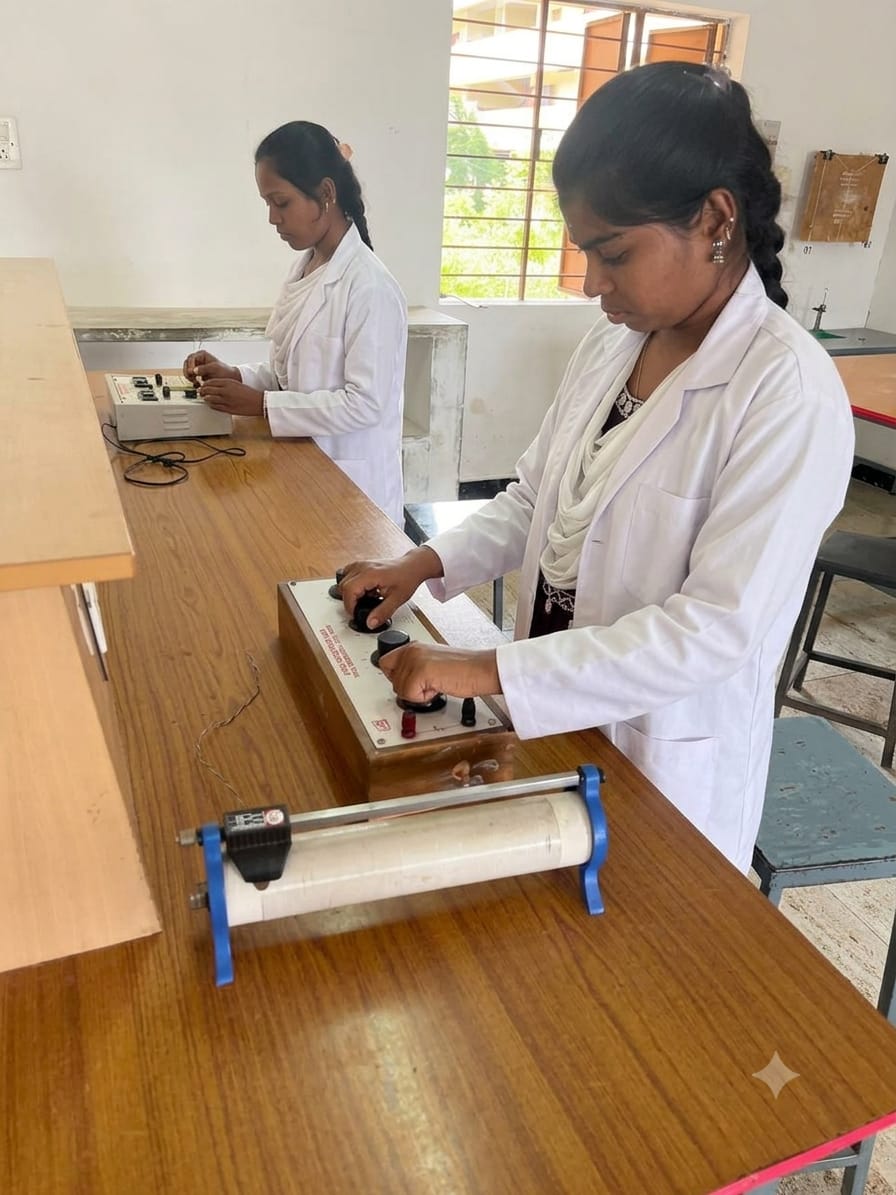
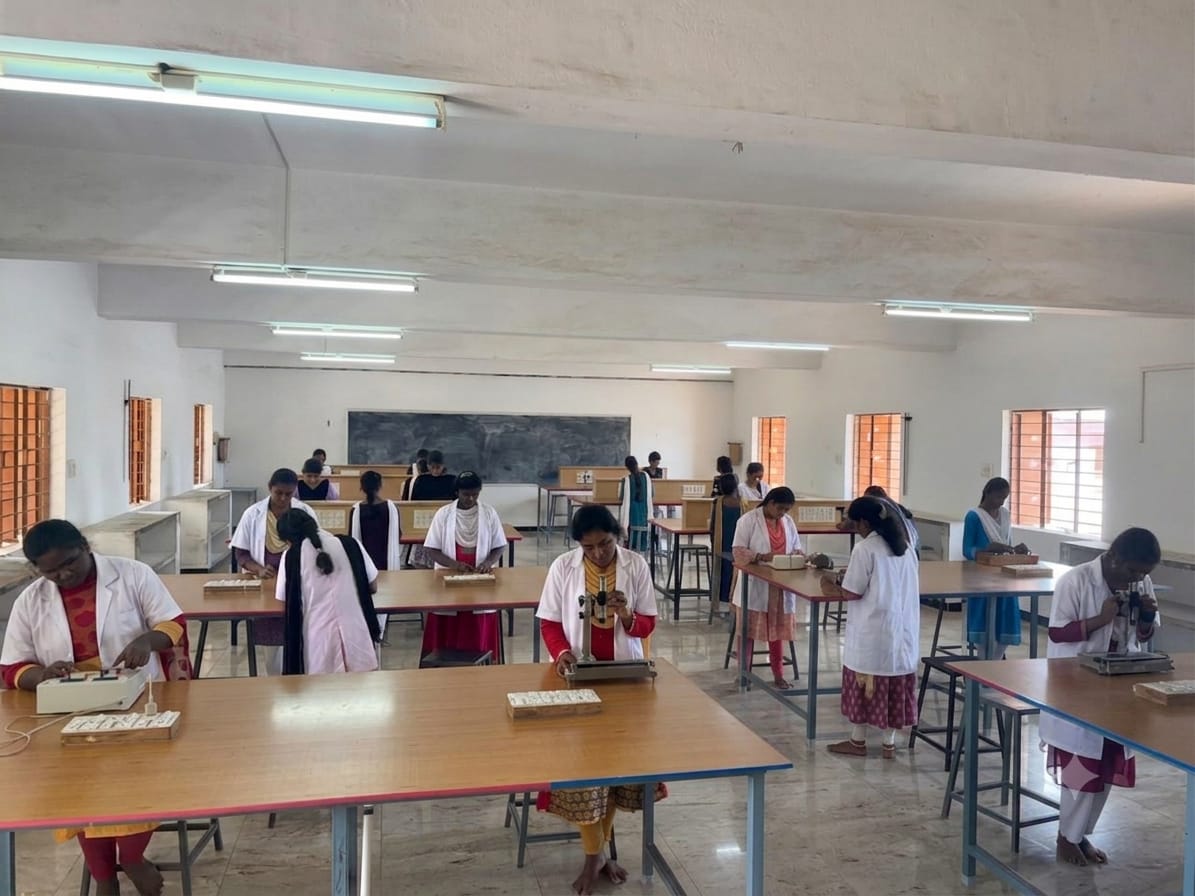
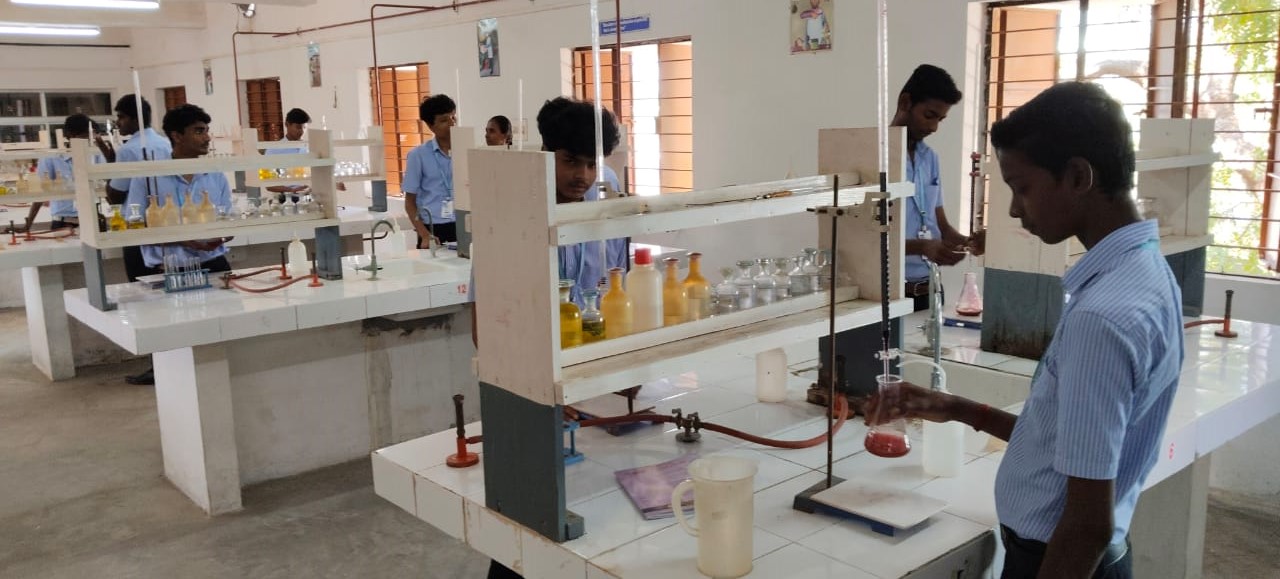
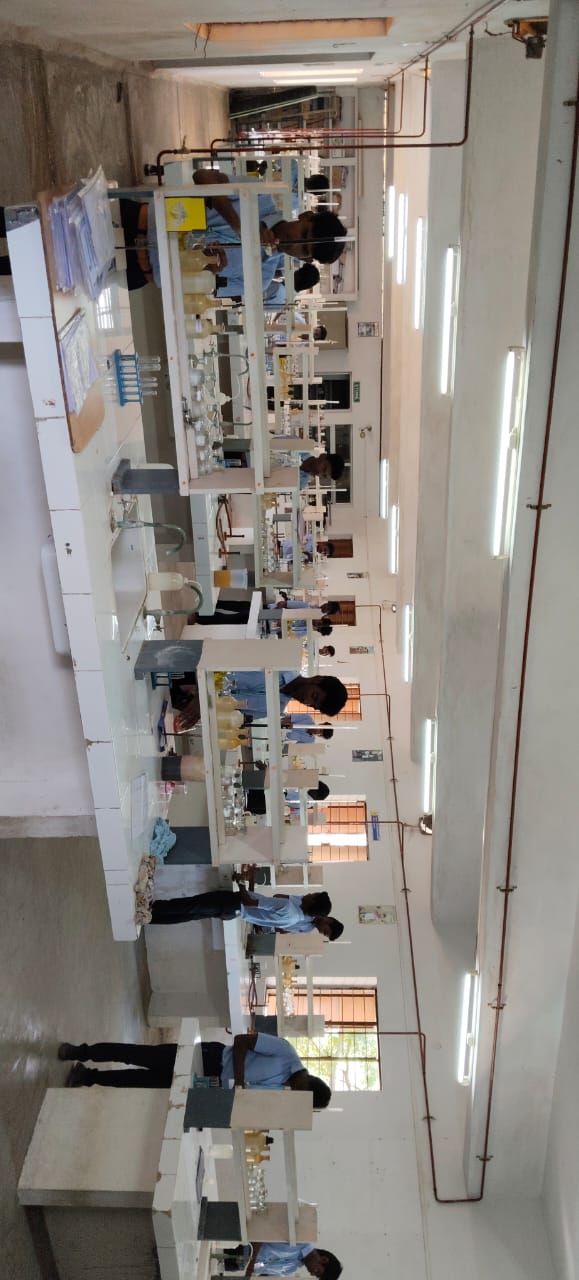
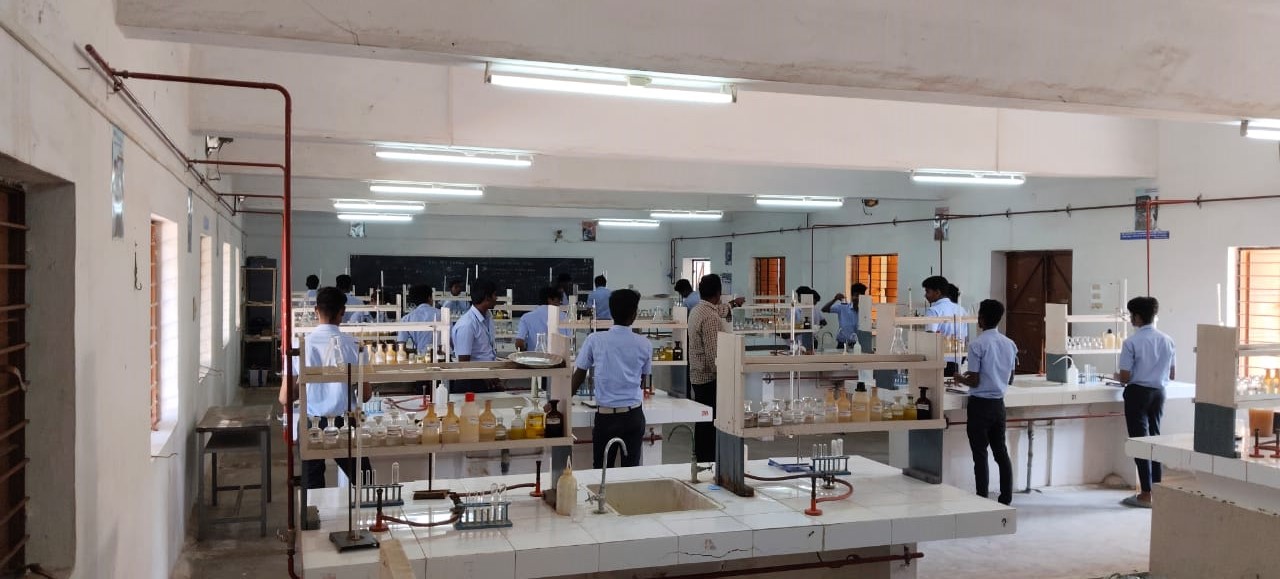
A chemistry laboratory is a specialized, controlled environment designed for scientific research, experimentation, and analysis, featuring essential safety equipment like fume hoods, fire extinguishers, and eye washers. It contains specialized glassware (beakers, flasks, pipettes), reagents, and instruments for measuring or analyzing substances.
Equipment Details:
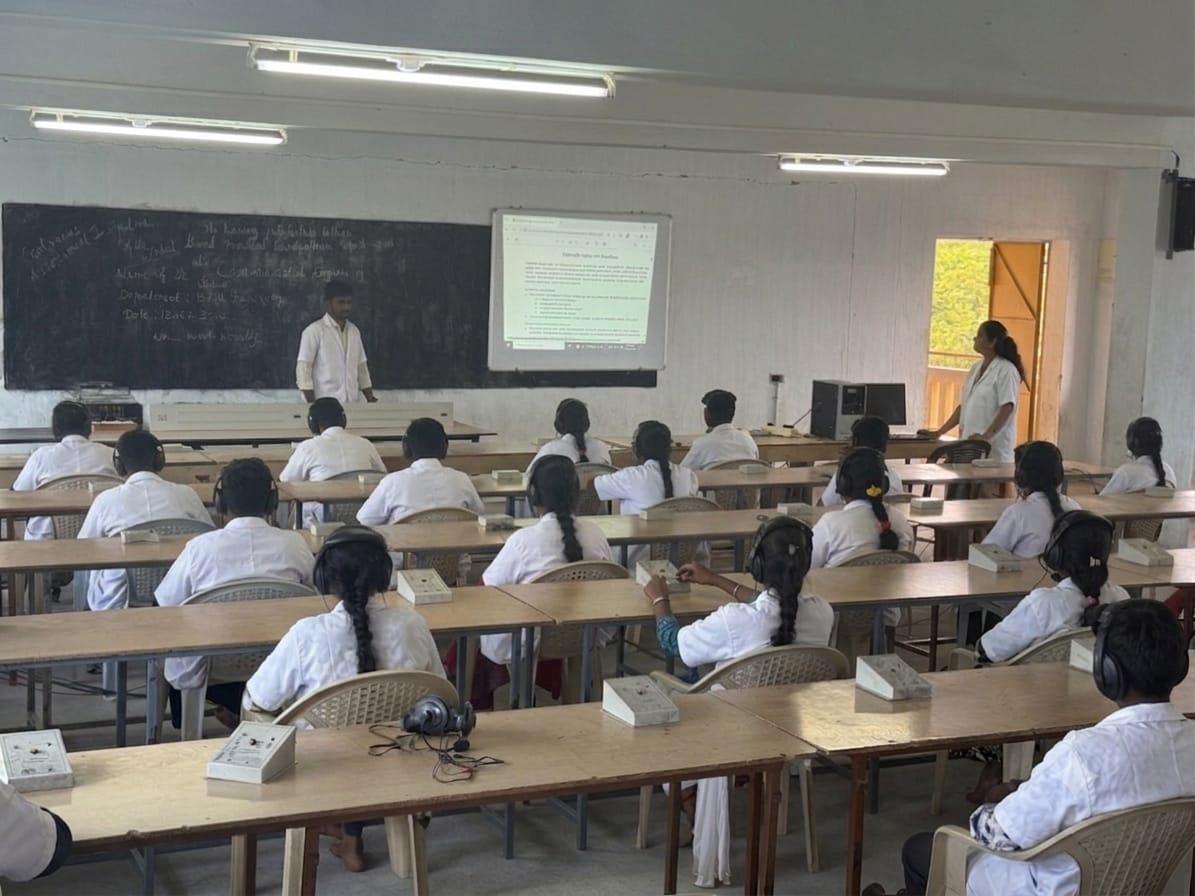
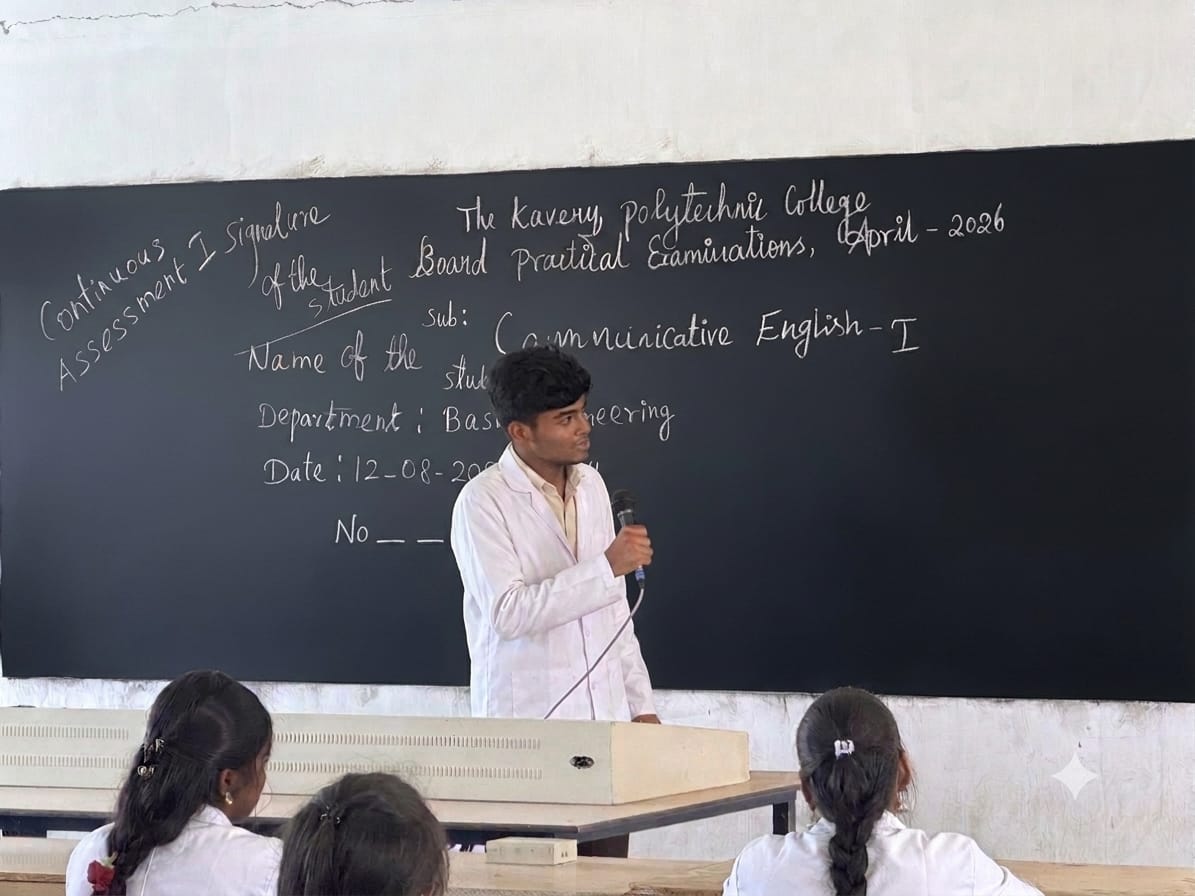
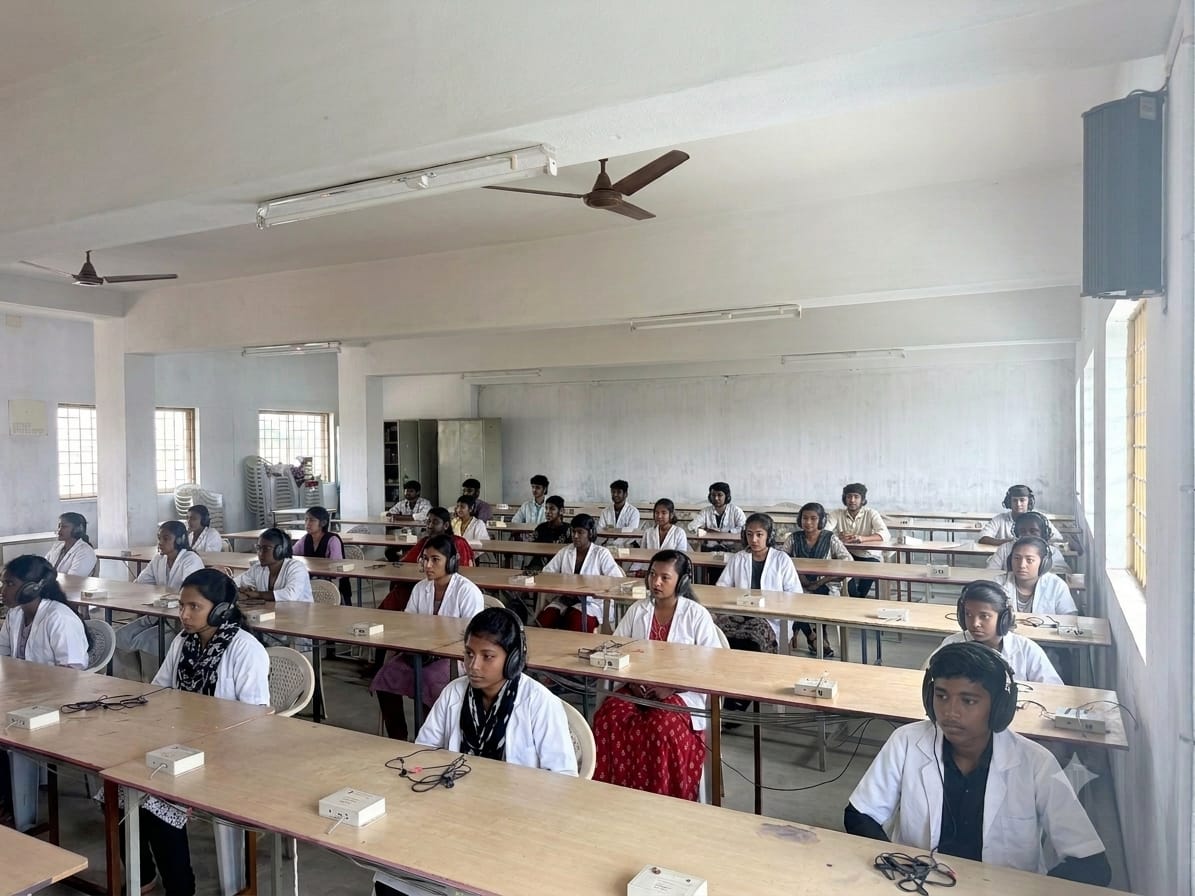
A Language lab is a dedicated, technology-enhanced space—physical or digital—designed for active language learning, emphasizing Listening, Speaking, Reading, and Writing (LSRW) skills. It uses audio-visual aids and software to allow students to practice pronunciation, record their voices, and receive instant feedback, facilitating personalized, self-paced learning beyond the traditional classroom.
Equipment Details:
Student Achievers
The department of basic engineering proudly recognizes the outstanding academic performance of the following first year students of the academic year (2023-2027).
| S.No | Student Name | Secured Marks | Photo |
|---|---|---|---|
| 1 | DHATCHAYA S | CGPA-9.40 PER-94.0% | 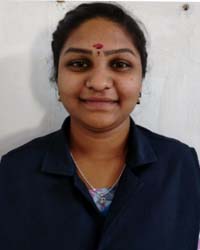 |
| 2 | PRIYADHARSHINI V | CGPA-9.20 PER-92.0% | 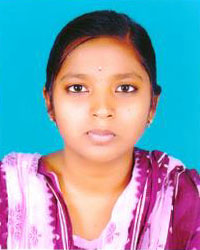 |
| 3 | DHANUSHKUMAR M | CGPA-9.10 PER-91.0% | 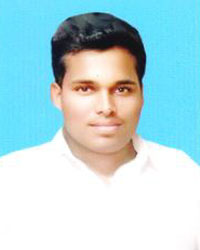 |
| 4 | ABI M | CGPA-8.90 PER-89.0% | 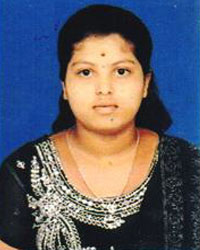 |
| 5 | NIKILESHWARI C | CGPA-8.78 PER-87.8% | 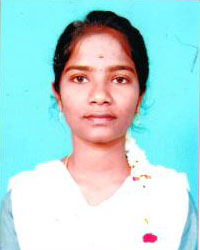 |
| 6 | HARIPRASANTH S | CGPA-8.55 PER-85.5% | 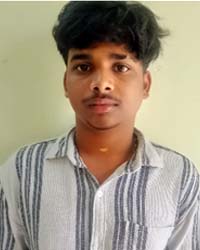 |
Events
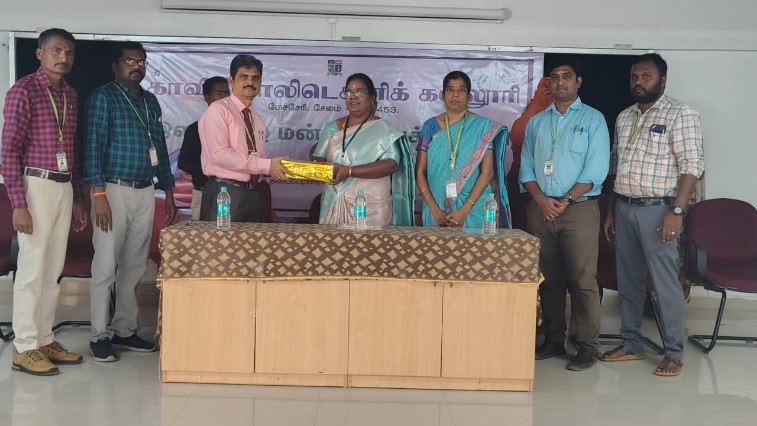
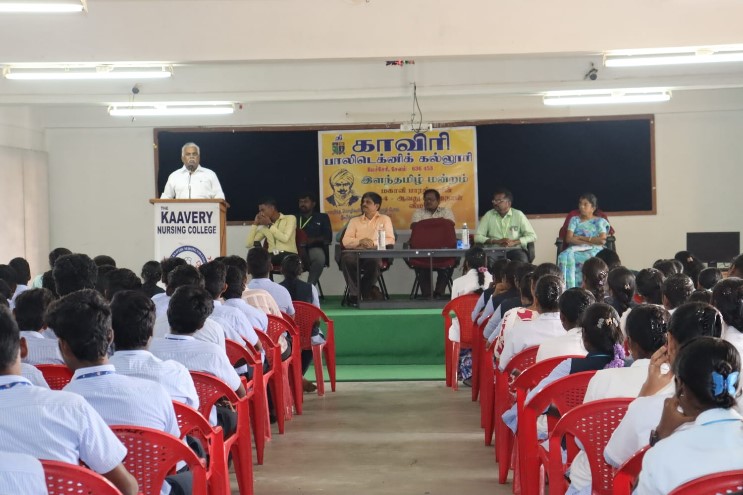
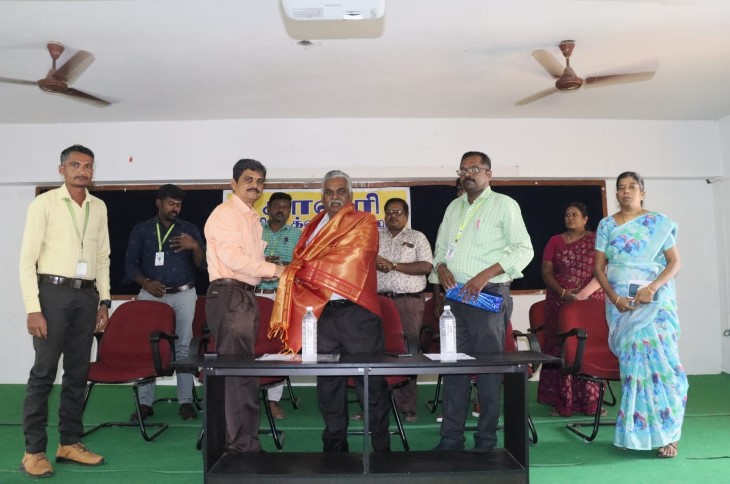
தி காவிரி பாலிடெக்னிக் கல்லூரியின் தமிழ் துறையின் சார்பில் 25.05.2025 அன்று முனைவர் சு.மலர்விழி, M.A., M.Phil., Ph.D அவர்கள் சிறப்பு அழைப்பாளராக பங்குபெற்று தி காவிரி பாலிடெக்னிக் கல்லூரியின் இளந்தமிழ் மன்றத்தை துவக்கி வைத்து மாணவர்கள் மத்தியில் சிறப்புறையாற்றினார்.
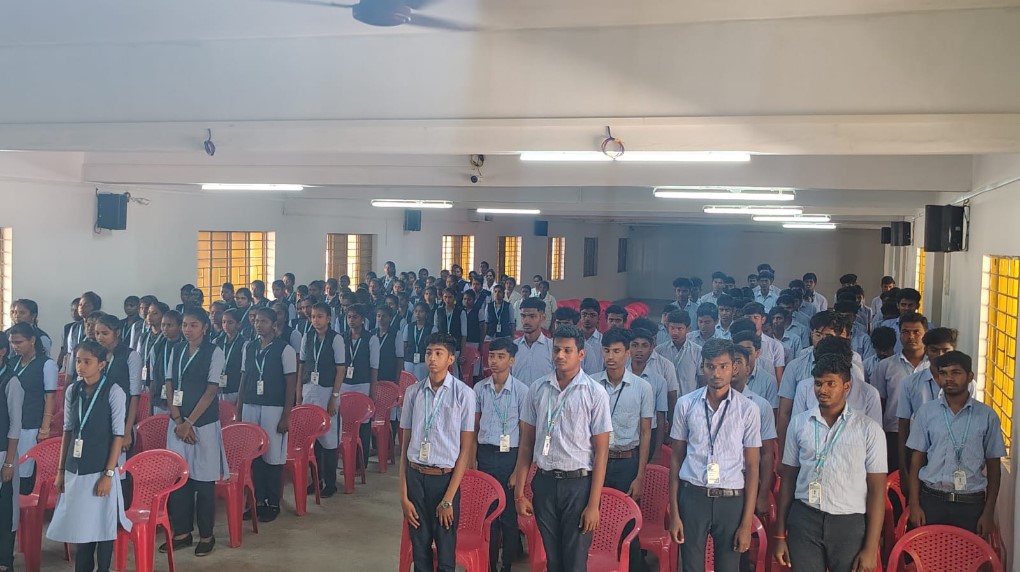
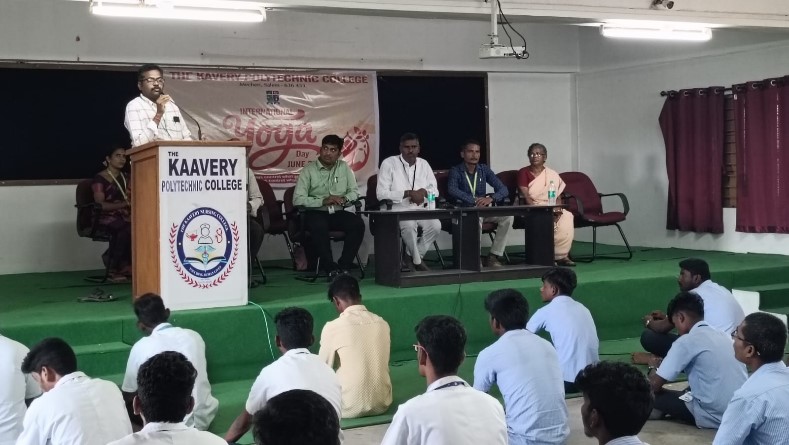
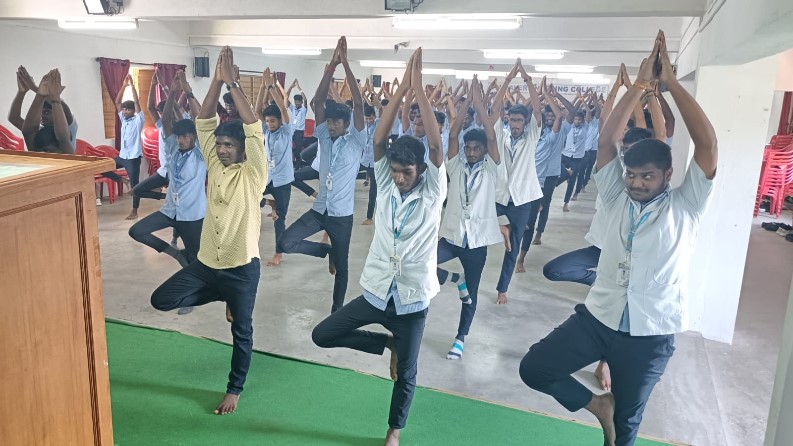
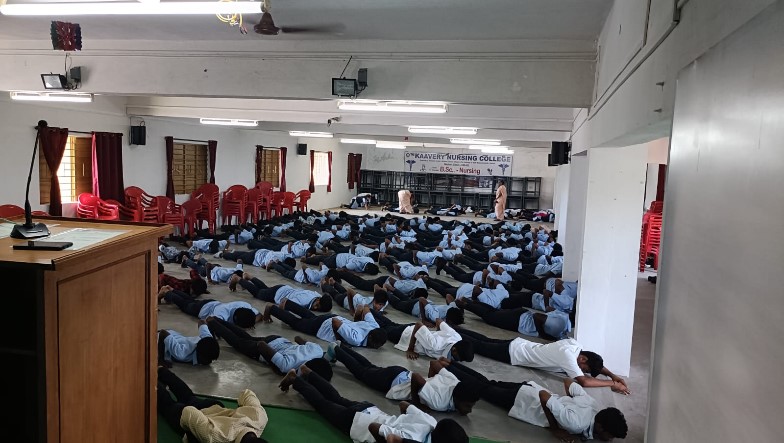
On the occasion of the International Yoga day our students had participated in the Yoga session held at The Kavery Polytechnic college. On this event the Secretary of The Kavery Educational Institutions Prof.Mr.S.K.Elangovan, addressed the event and explain the students how Yoga helps a human being to keep the physical and Mental Health Balanced.
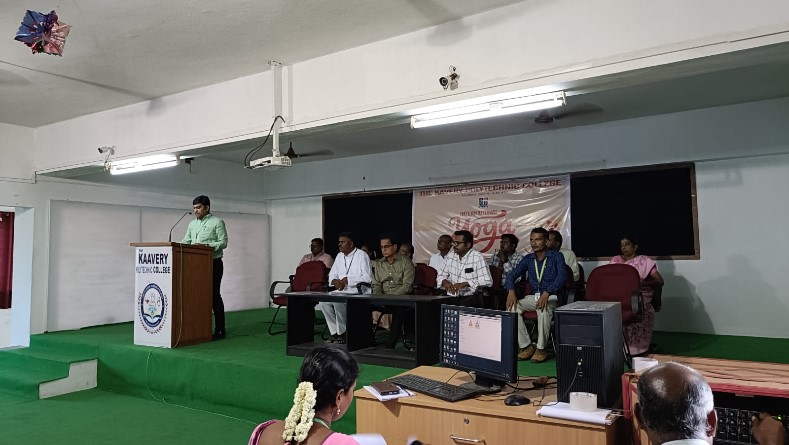
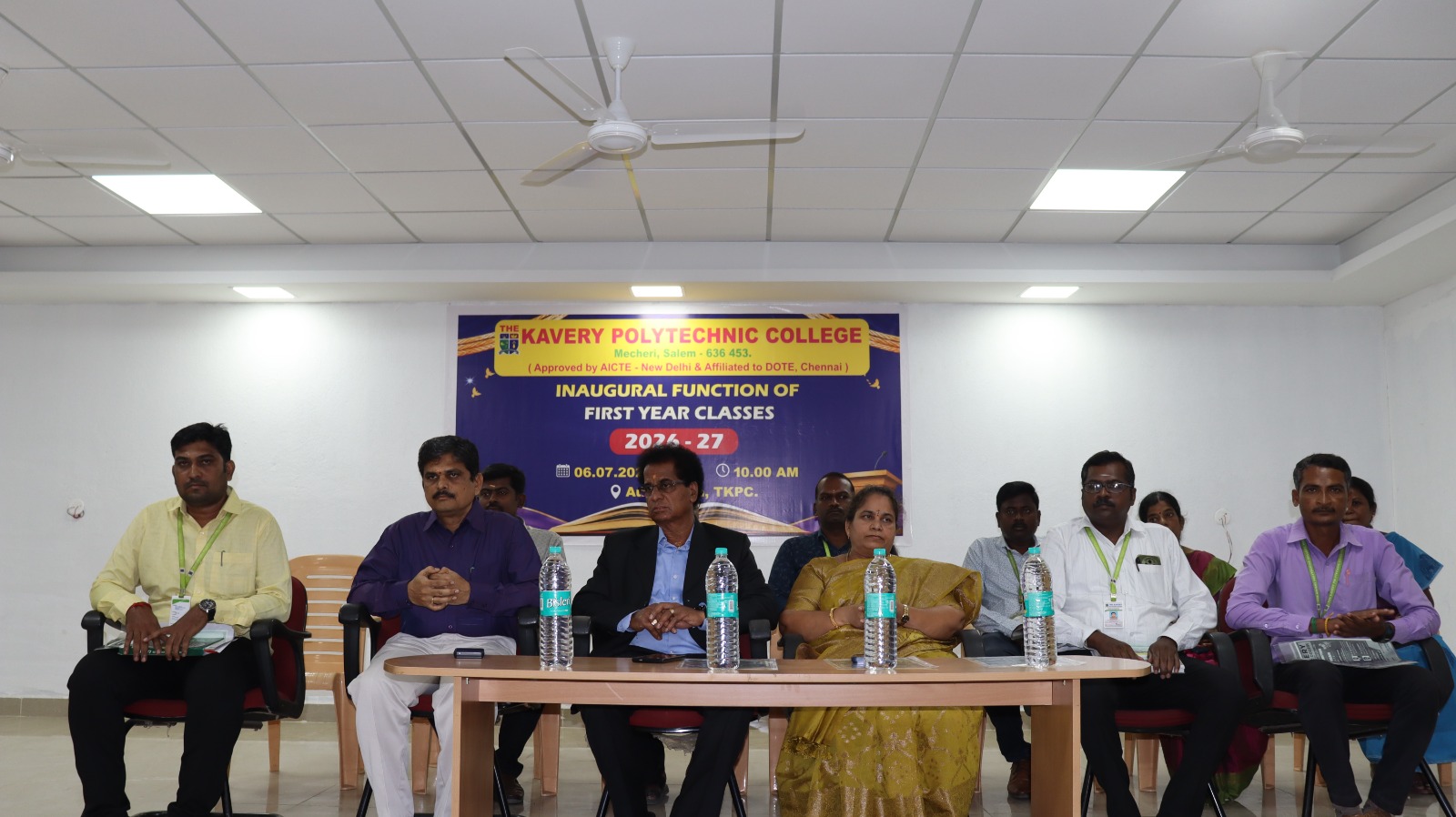
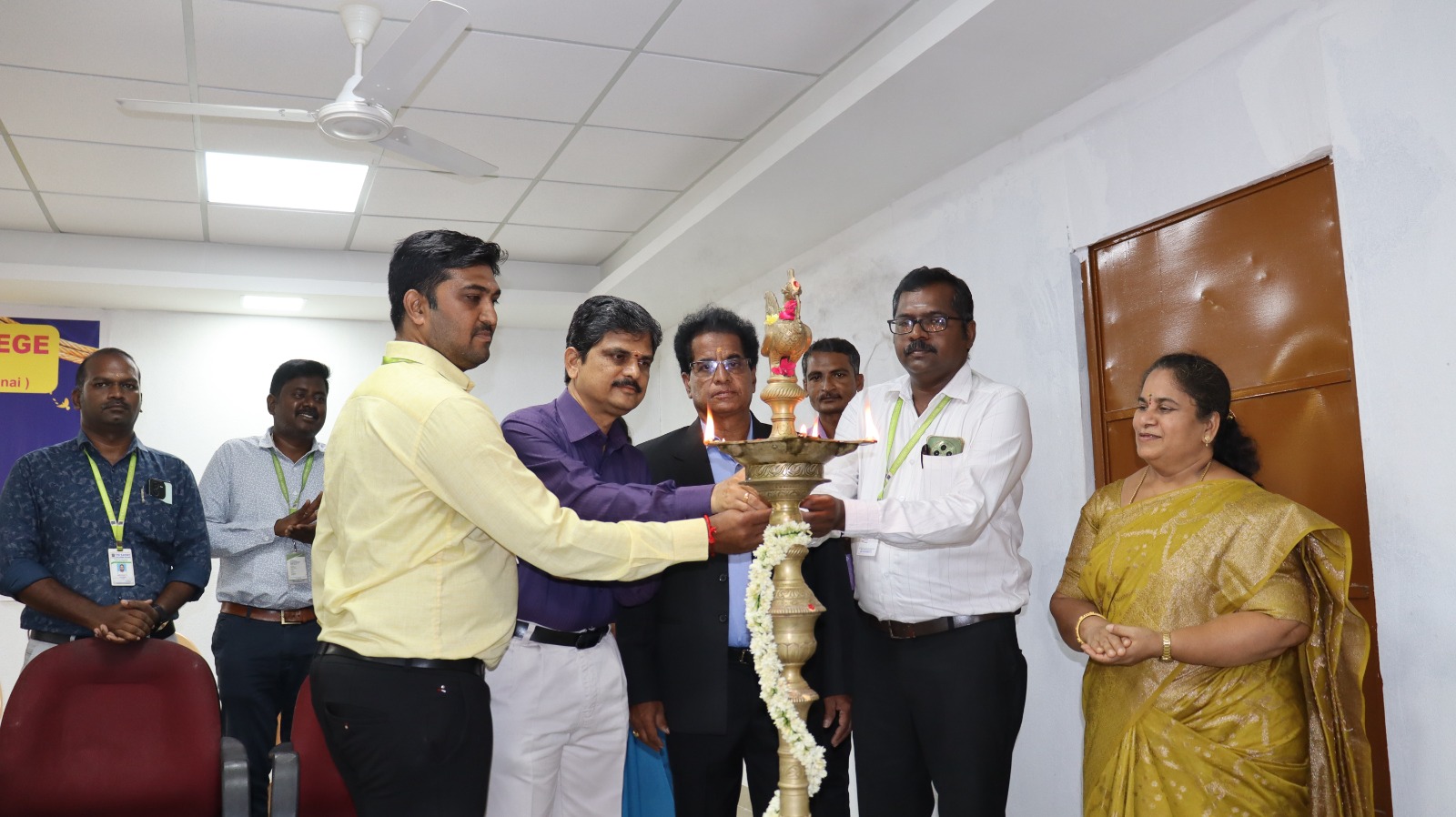
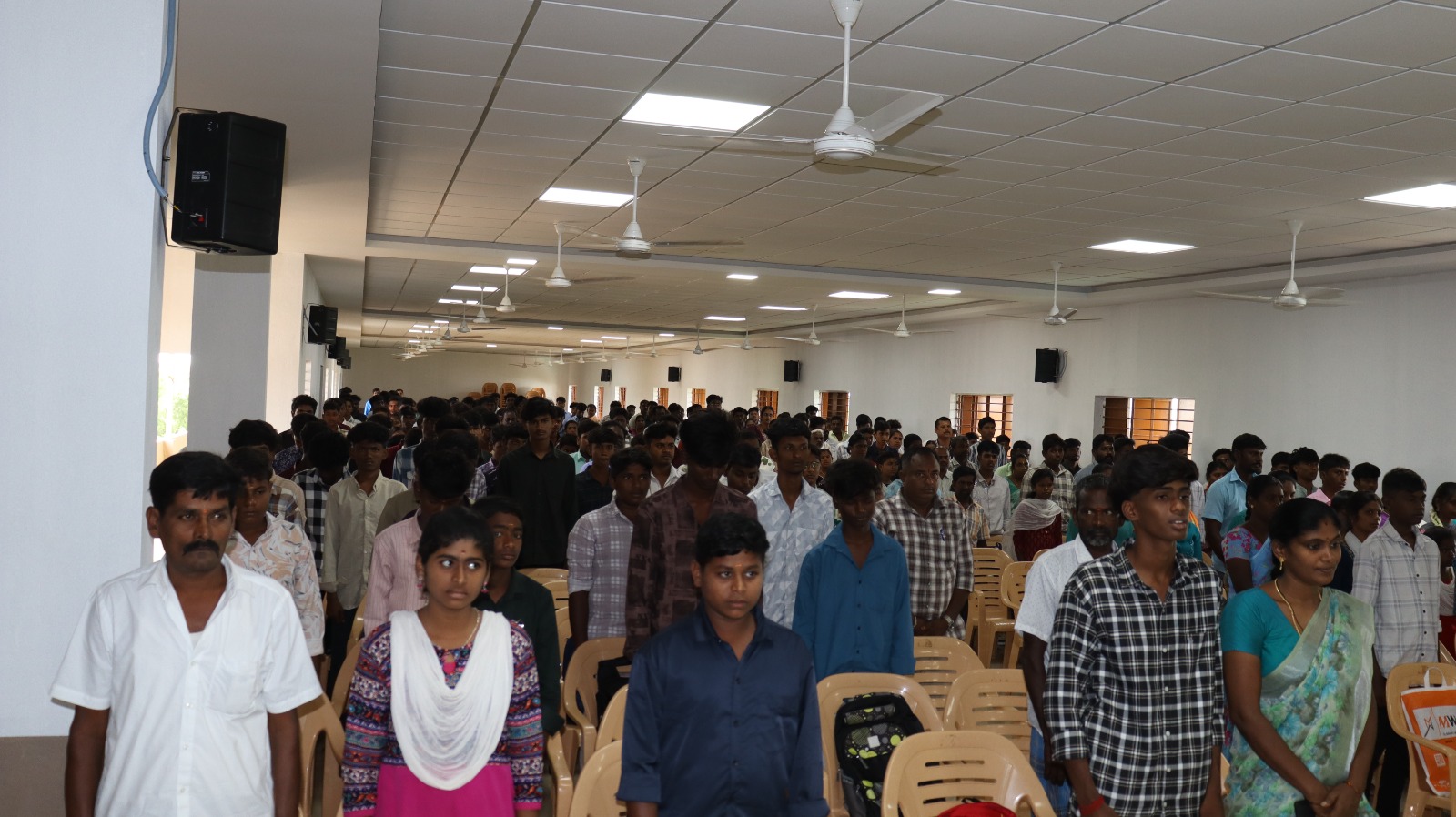
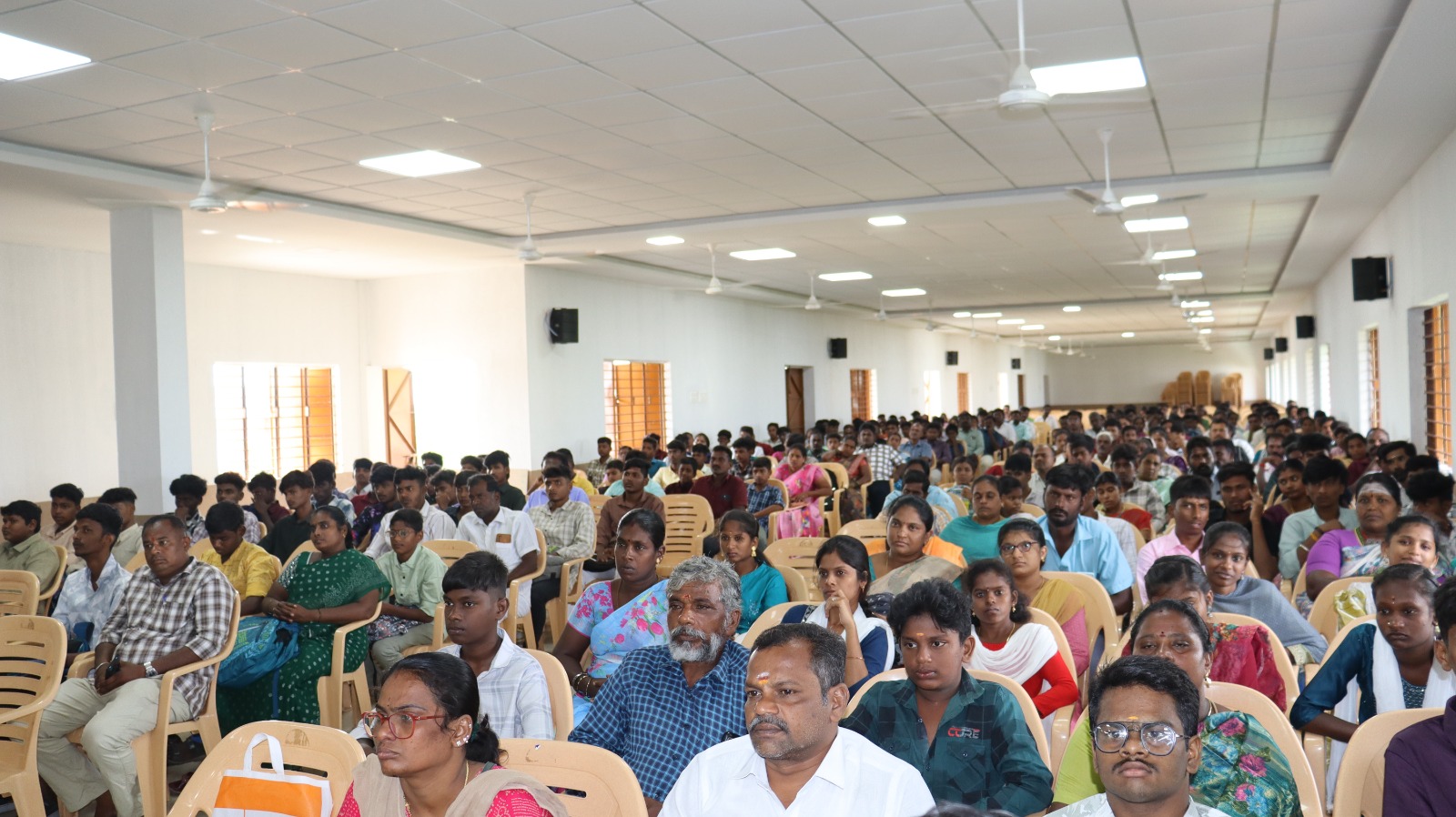
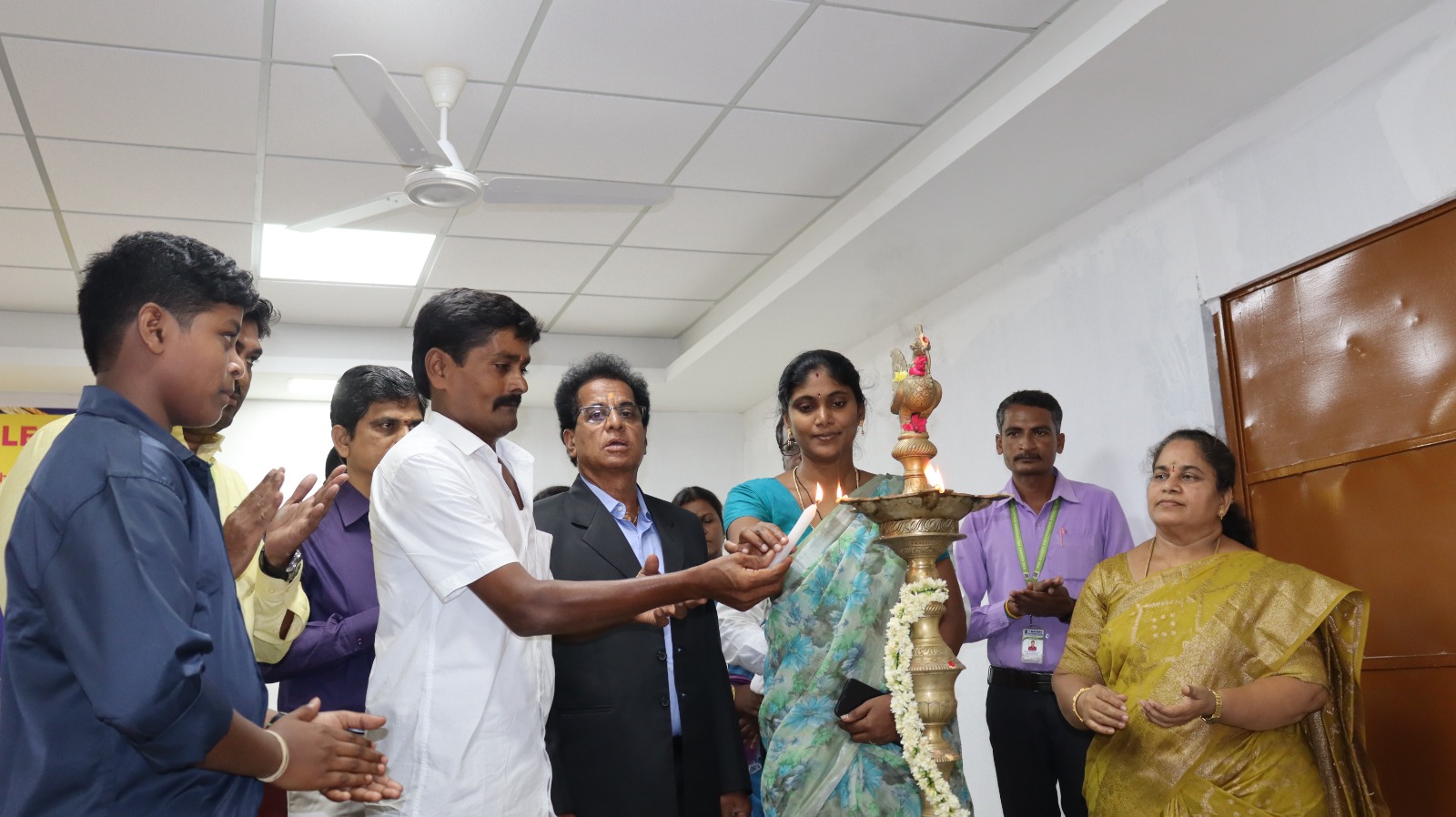
The Inaugural ceremony for the First-year classes was held on 06.07.2026 with great enthusiasm at The Kavery Polytechnic College in the presence of Students, Parents, Faculty members and College administrators. Mrs.Revathi Elangovan, Coordinator, inaugurated the ceremony by Lighting the traditional lamp, symbolizing knowledge, prosperity and the beginning of a new academic journey. Er.K.Naveenkumar, Principal, delivered the welcome address and warmly welcomed the newly admitted students and their parents. Prof.K.P. Nandhakumar, Dean/Admissions, offered his felicitations and extended his best wishes to the students for a successful academic career. Prof.S.K.Elangovan, Secretary, delivered the presidential and special addresses. In his inspiring speech, he advised the students to identify and develop their individual talents and skills, work with dedication and strive for excellence in their chosen fields. Mr.R.Palanisamy, Head of the Department, Basic Engineering, along with the Heads of all other departments, congratulated the newly admitted students and encouraged them to make effective use of the academic and Co-curricular opportunities provided by the institution. Finally, Er.M.Ranjithkumar, Vice-principal, proposed the vote of thanks and expressed gratitude to the management, dignitaries, faculty members, parents and students for making the inaugural ceremony a memorable and successful event.
Syllabus
Download the complete syllabus for the Department of Basic Engineering.